


Gas Dedusting

How It Works

Gas dedusting systems clean dust-laden air or gas streams by capturing particulate matter using mechanical, electrical, or fabric-based separation techniques, ensuring the treated gas meets regulatory and workplace safety criteria.

1-Dust-laden Gas Entry

Particulate-contaminated exhaust gas enters the dedusting system from sources such as boilers, furnaces, kilns or other industrial processes.

2-Particulate Separation

Dust particles are separated from the gas stream using one or more dedusting technologies:
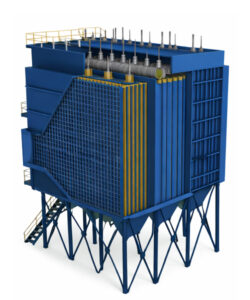
Electrostatic Precipitators (ESP) use high-voltage electrostatic fields to charge and collect particles on plates.
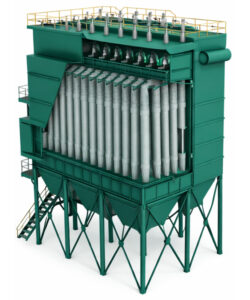
Bag Filters capture particles on filter fabrics and periodically clean the media with reverse pulses of air.
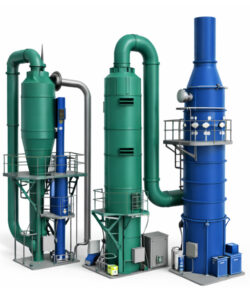
Cyclone and Wet Scrubbers use centrifugal forces or liquid sprays to remove larger dust and particulate matter.

3-Dust Collection & Removal

Captured dust accumulates on plates, fabric bags, or in hoppers and is periodically discharged or extracted for disposal or recycling.

4-Clean Gas Discharge

The cleaned gas, with significantly reduced particulate content, is discharged safely into the atmosphere or further treated if required.

Gas Dedusting

Applications

Power generation

Power generation

Boilers furnaces

Boilers

New biogas

Waste‑to‑energy

Cement

Cement

Mineral processing

Mineral processing

Processed food

Food and Plastics industries

Core System Components

AquipTec’s gas dedusting systems are configured using purpose-designed components, optimised for each technology type:

Electrostatic Precipitator (ESP)

Electrostatic precipitators apply electric charges to particles and collect them on oppositely charged plates. They deliver exceptional removal efficiencies (up to ~99.9%) with low pressure drop and are suitable for large-scale, high-temperature operations.

ESP Components Include:

• High-voltage power supply
• Ionising and collecting electrodes
• Plate rapping/vibration system
• Dust hopper collection system

Bag Filters (Fabric Filters)

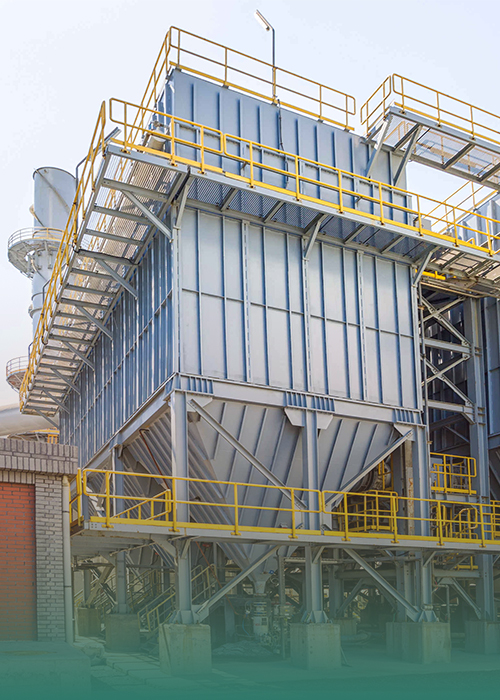
Bag filters capture dust on woven or felted fabric media as gas passes through. Periodic pulse cleaning dislodges dust into a hopper for collection. These systems can achieve >99% particulate removal even for very fine particles.

Bag Filter Components:

• Filter bags/cartridges and cages
• Pulse-jet cleaning air system
• Dust hoppers and discharge valves
• Fans and ductwork

Cyclone & Wet Scrubber Options

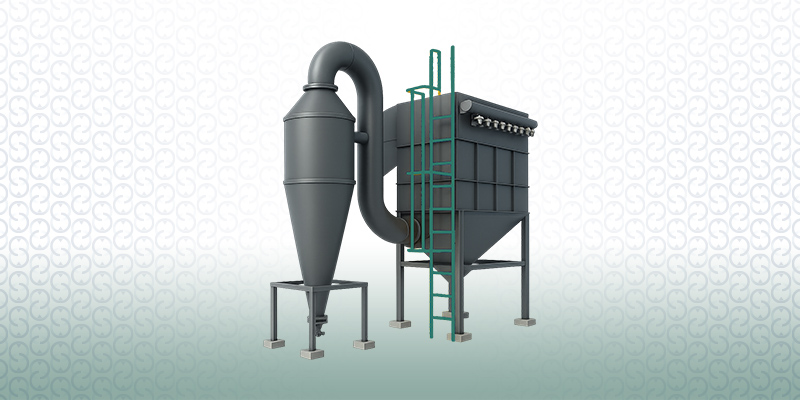
Cyclone separators and wet scrubbers are often integrated upstream or downstream to handle larger particulates or combined dust and gas pollutants. Wet scrubbers use liquid sprays to capture dust and pollutants.

Supporting Components:

• Cyclone separators
• Liquid spray nozzles and recirculation systems
• Fans, dampers, and control systems

Electrostatic Precipitator (ESP)
Bag Filters 250x300
Cyclone Wet Scrubber Options 250x300

Key Benefits

New improvement

High Particulate Removal Efficiency

Captures fine and coarse dust to meet stringent industrial air limits and improve overall environmental performance.

Energy Efficient

Energy-Efficient Operation

Low pressure drop with smart automation reduces fan energy use, minimizing long-term operating costs for facilities.

Technology Flexibility

Flexible Technology Selection

ESP, bag filters, cyclones or scrubbers are selected based on dust load, temperature range and site requirements.

Health Improvement

Health & Safety Improvement

Reduces dust exposure around equipment and worksites, supporting cleaner, healthier industrial environments.

Retrofit Build Compatibility

Retrofit & New Build Compatibility

Modular systems integrate into existing processes or new installations with minimal disruption to operations.

Robust Low Maintenance Design

Low Maintenance & Long Life

Automated cleaning and durable material construction provide sustained performance.

High performance

Improved Equipment Performance

Reducing dust loading protects downstream heat exchangers, fans and filters, extending equipment life.

Australian Regulatory Support

Australian Standards Alignment

Designed for compliance with local emission regulations, enabling reliable regulatory approval and plant operation.

Why Choose AquipTec

AquipTec delivers independent, engineered gas dedusting solutions aligned with Australian industrial requirements and environmental expectations:
• Technology-neutral design approach – Selecting the best dedusting technology per site.
• End-to-end delivery – From concept and design through installation and commissioning.
• Local engineering and ongoing support – On-site Australian coordination and service.
• Optimised for operating cost and emissions control – Ensures efficient performance and compliance.

This solution is engineered and delivered exclusively by AquipTec.

Frequently Asked Questions (FAQ)

What is a dedusting system?

A dedusting system is engineered to remove dust and particulate matter from industrial exhaust gas or air streams before they are released, improving air quality and compliance.

An ESP charges particles in a gas stream so they attach to oppositely charged plates, then periodically dislodges the dust for collection.

ESPs use electrostatic forces to collect dust (excellent for high temperature and fine particles), while bag filters use fabric media to mechanically trap dust.

Yes — dedusting solutions can be custom engineered to integrate with existing combustion or process exhaust systems.

Yes — wet scrubbers can capture dust and other gaseous pollutants by liquid spraying and are versatile for combined emissions control.