


How It Works
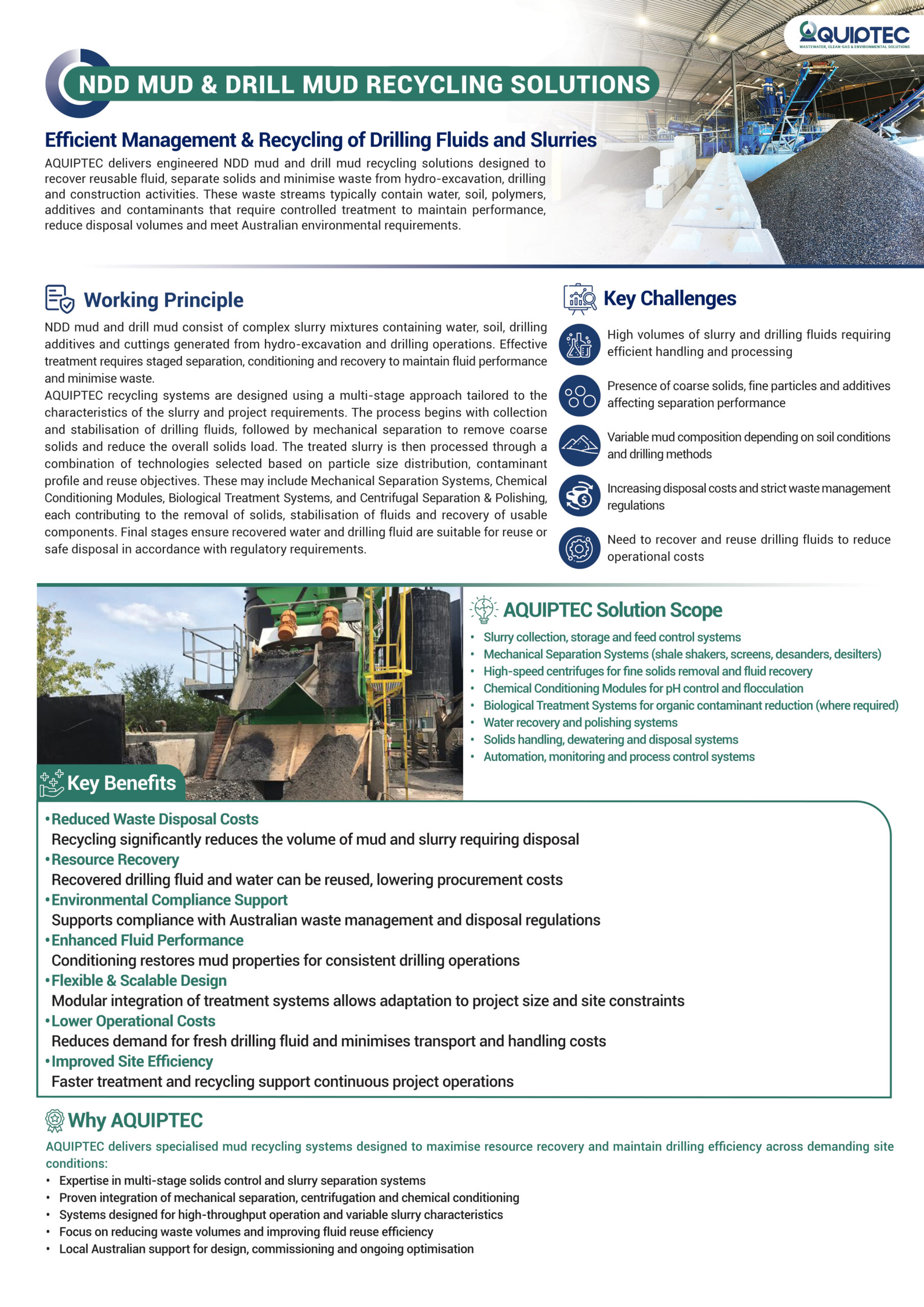
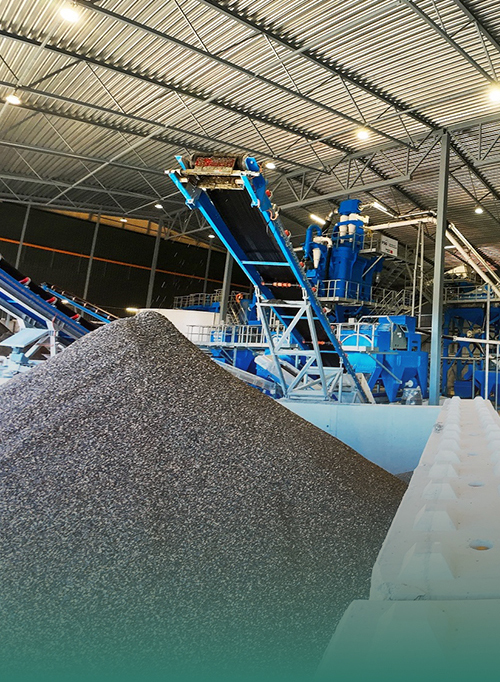
Recycling NDD and drilling mud involves separating contaminants from the mud, cleaning and reconditioning these waste streams, and recovering reusable components to reduce disposal and material procurement costs.
1-Slurry & Mud Collection
NDD and drill mud wastes are collected from hydro-excavation or drilling operations, often comprising water, soil, polymers, additives and cuttings.
2-Mechanical Separation
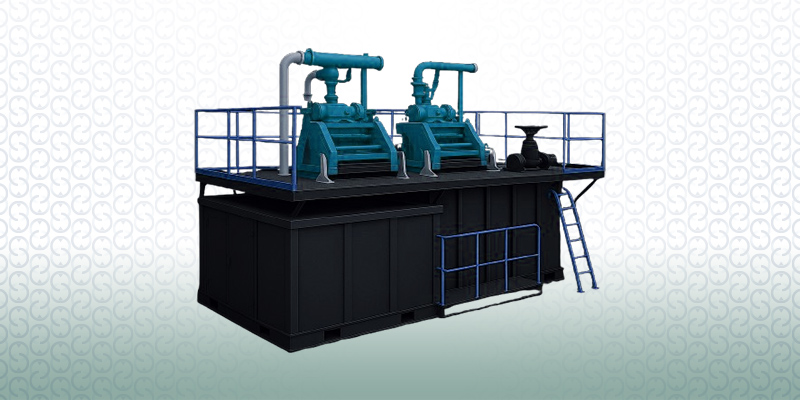
Mechanical systems such as shale shakers, desanders, desilters and centrifuges remove coarse solids, sand and silt, allowing for initial decontamination and recovery of usable fluid.
3-Chemical Conditioning
Chemical additives adjust pH, destabilise emulsions and enhance the separation of oil and contaminants, improving the efficiency of solid–liquid separation.
4-Biological & Fine Contaminant Treatment
Microbial processes can further degrade organic contaminants, while fine solids and residuals are separated and stabilised.
5-Resource Recovery & Disposal
Recovered drilling fluid, water and solids can be reused or safely disposed of in accordance with regulatory guidelines, reducing overall waste and environmental impact.
Applications

Construction Projects
Oil and Das Drilling

Pipeline & Underground Asset

Infrastructure Projects
NDD Installation

Environmental Drilling

Mining Site

Remote Site Waste Management

Core System Components
AquipTec configures NDD Mud and Drill Mud Recycling systems by combining mechanical, chemical and biological technologies designed to remove contaminants and recover usable materials.
Mechanical Separation Systems
Mechanical separation is the first stage, removing solids and coarse contaminants:
• Shale shakers & vibrating screens filter large cuttings and debris.
• Desanders & desilters remove sand and fine particles.
• Centrifuges accelerate gravity separation and extract solids from liquid.
These systems maintain mud properties and protect downstream equipment.
Chemical Conditioning Modules
Chemical systems enhance separation and fluid stability:
• Chemical dosing skids for pH and emulsion control.
• Flocculant and coagulant dosing to promote agglomeration of fine particles.
• Mixing and reaction tanks for effective conditioning.
Chemical conditioning boosts overall separation performance.
Biological Treatment Systems
Biological processes support further contaminant breakdown:
• Bioreactors and microbial dosing systems used where organics require decomposition.
• Nutrient delivery and monitoring systems to support microbial activity.
• Aerobic/anaerobic zones adapted to waste characteristics.
Biological treatment enhances removal of organic contaminants when required.
Key Benefits

Resource Recovery
Reconditioned mud and fluid can be reused, cutting procurement costs.

Enhanced Fluid Performance
Conditioning restores mud properties for consistent drilling operations.

Modular & Scalable Systems
Solutions scalable to project size and site space constraints.

Improved Site Efficiency
Faster turnaround of mud and slurry treatment supports project productivity.

Reduced Waste Disposal Costs
Recycling reduces the volume of NDD and drill mud sent to landfill or disposal facilities.

Flexible Technology Integration
Mechanical, chemical and biological processes tailored per site needs.

Lower Operational Costs
Less fresh mud required and reduced transport and handling costs.

Compliance Support
Designed to assist with compliance to Australian disposal and waste-management standards.
Why Choose AquipTec
AquipTec delivers NDD Mud & Drill Mud Recycling solutions engineered for performance, compliance and sustainability:
- Technology-neutral engineering ensures optimal process selection.
- End-to-end delivery from design through commissioning and support.
- Local expertise in Australian regulatory expectations and waste-classification compliance.
- Optimised systems that balance cost and environmental performance.
This solution is engineered and delivered exclusively by Aquiptec.
Frequently Asked Questions (FAQ)
What is NDD Mud?
NDD Mud is the slurry generated during non-destructive digging (hydro excavation), made from water, soil and drilling fluids.
Why recycle drill mud?
Recycling removes contaminants, recovers usable fluid, reduces waste and cuts procurement and disposal costs.
Can recycled mud be reused?
Yes, treated mud and fluids can often be reused in further drilling operations with restored performance.
Is biological treatment necessary?
Biological treatment enhances contaminant breakdown but is complementary; mechanical and chemical separation are core.
Can these systems be retrofitted?
Yes, modular components can integrate with existing waste management or drilling support infrastructure.