

How It Works
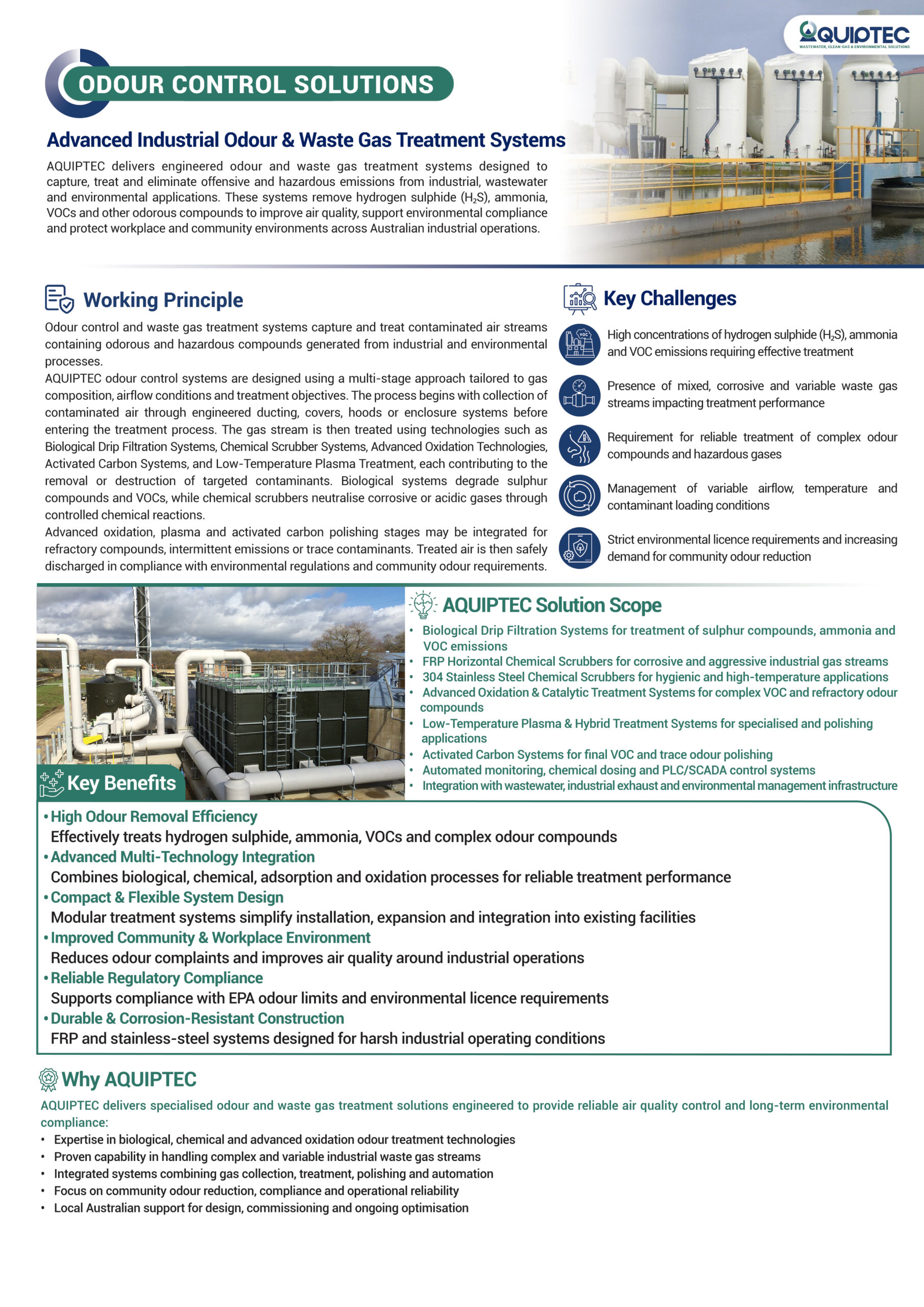
Odour control and waste gas treatment systems are engineered to collect and process contaminated air streams containing hydrogen sulphide (H₂S), ammonia, volatile organic compounds (VOCs) and other odorous or hazardous gases. These emissions are commonly generated in wastewater treatment, industrial production, waste handling and organic decomposition processes.
1) Odorous Gas Collection
Contaminated air is captured at the source using engineered ducting, covers, hoods or enclosures. The extracted gas stream is conveyed to a treatment system designed according to airflow, concentration and site-specific operating conditions.
2) Gas Characterisation & Conditioning
Aquiptec performs detailed evaluation of gas composition, concentration, airflow variability and emission limits to determine the most effective treatment strategy. Pre-treatment may include particulate removal, moisture control and temperature conditioning to optimise downstream performance and protect equipment.
3) Multi-Stage Odour & Pollutant Treatment
Depending on gas characteristics, treatment may include horizontal chemical scrubbing, biological degradation, adsorption, catalytic or photochemical oxidation and plasma-based treatment. Multi-stage configurations ensure reliable removal across a wide range of odour loads and operating conditions.
4) Treated Air Discharge
Cleaned air is discharged in accordance with environmental licence conditions, EPA guidelines and community odour standards, ensuring long-term compliance and operational reliability.
Applications
AquipTec’s odour control systems are suited to a wide range of applications where odorous emissions must be managed to meet compliance and community expectations:

Wastewater Treatment

Food Processing

Industrial Ventilation
Waste Transfer

Landfills and Biogas Management

Animal and Agricultural Waste

Core System Components
AquipTec integrates advanced odour and waste gas treatment technologies with engineering-driven system design to deliver reliable, compliant and optimised performance.
Biological Drip Filtration Systems
Biological drip filtration provides treatment of organic and sulphur-based odours using immobilised microbial populations. Contaminants are absorbed into a biologically active film and degraded into harmless by-products. These systems are effective for hydrogen sulphide, ammonia and VOC emissions from wastewater & organic processing industries.
Key components include:
- Structured biological packing media
- Automated nutrient dosing and moisture control
- Liquid recirculation and drainage systems
- Gas pre-treatment and conditioning
- Continuous monitoring and process optimisation
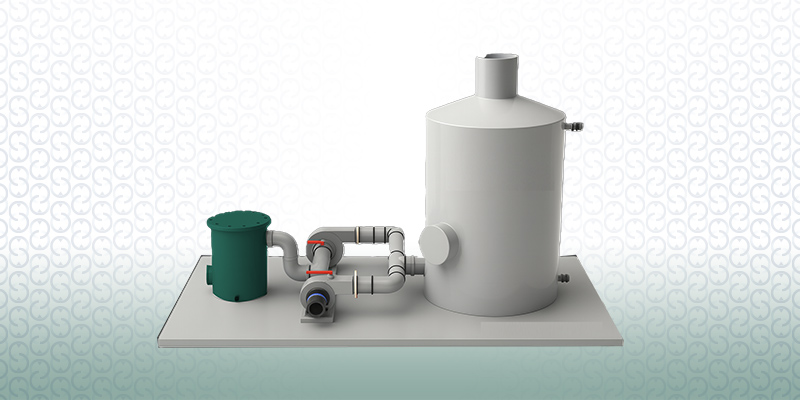
FRP Horizontal Chemical Scrubbers
FRP (Fibreglass Reinforced Plastic) horizontal washing towers are designed for aggressive and corrosive gas streams such as hydrogen sulphide, acidic gases and industrial odours. Their corrosion-resistant construction makes them ideal for municipal, wastewater and chemical environments.
Key components include:
- Corrosion-resistant FRP housing and internal structures
- Efficient gas-liquid contact and packing media
- Automated chemical dosing and reagent storage
- pH and ORP monitoring and control
- High-efficiency mist elimination
304 Stainless Steel Horizontal Chemical Scrubbers
Stainless steel horizontal scrubbers are suited to hygienic and high-temperature applications in food, pharmaceutical and specialty chemical industries. These systems provide mechanical strength, durability and cleanability under demanding operating conditions.
Key components include:
- Stainless steel construction for strength and durability
- Optimised spray and gas distribution
- Precision chemical dosing and process control
- Modular layout for ease of maintenance
Advanced Oxidation & Catalytic Treatment
For complex, low-concentration or refractory odour compounds, Aquiptec integrates advanced oxidation technologies such as catalytic oxidation, UV or photochemical oxidation. These systems break down VOCs and persistent pollutants that are difficult to treat biologically.
Key components include:
- UV or catalytic oxidation reactors
- Controlled reaction chambers
- Monitoring and safety interlocks
- Integration with upstream treatment stages
Low-Temperature Plasma & Hybrid Treatment
Plasma-based systems generate reactive species that decompose odorous and hazardous gases. These technologies are applied as specialised or polishing stages, particularly where emissions are intermittent or difficult to treat.
Key components include:
- Plasma reactors and control systems
- Safety and interlock systems
- Integration with biological or adsorption stages
Integrated Multi-Stage Waste Gas Treatment
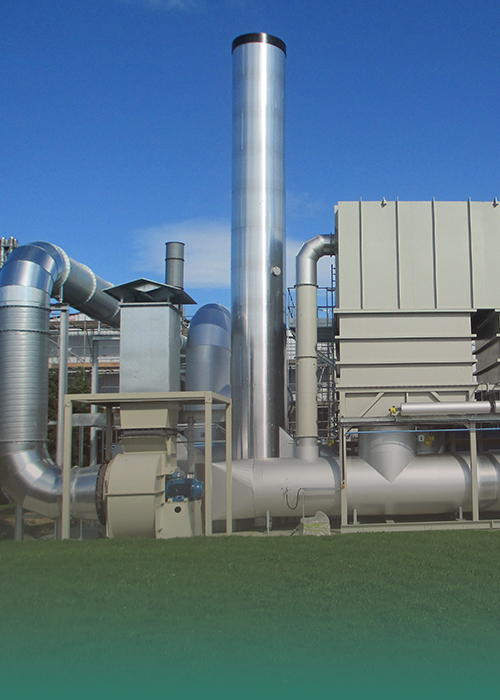
For high-load, mixed or variable gas streams, Aquiptec designs integrated systems combining chemical scrubbing, biological filtration, oxidation and adsorption. This ensures high removal efficiency, process resilience and compliance with stringent emission limits.
Key components include:
- Multi-stage treatment modules
- Automated control and real-time monitoring
- Redundancy and peak load management
- Modular design for scalability and expansion
Activated Carbon systems
Activated carbon systems provide final polishing of VOCs and trace odour compounds to meet strict environmental and community standards.
Key components include:
- Carbon media vessels
- Flow balancing and monitoring
- Media replacement access
- Performance optimisation
Key Benefits

High Removal Efficiency
Effective treatment of hydrogen sulphide, ammonia, VOCs and complex odour mixtures.

Advanced Technology Integration
Combination of biological, chemical, adsorption and oxidation processes tailored to each application.

Compact & Flexible Design
Horizontal scrubbers and modular systems reduce footprint and simplify installation.

Improved Community and Workplace Environment
Significant reduction in odour complaints and improved site safety.

Regulatory Compliance
Supports compliance with environmental licence requirements and EPA odour limits.

Optimised Operating Cost
Biological and hybrid systems minimise chemical consumption and lifecycle costs.

Durable & Corrosion-Resistant Construction
FRP and stainless-steel materials designed for harsh industrial conditions.

Local Engineering & Lifecycle Support
Aquiptec provides system design, commissioning, optimisation and long-term performance support.
Why Choose AquipTec
Aquiptec delivers engineering-led, high-performance odour and waste gas treatment solutions tailored for Australian environmental regulations and operating conditions:
- Independent technology selection based on detailed gas characterisation
- Integration of biological, chemical and advanced oxidation technologies
- End-to-end delivery from assessment to commissioning
- Modular, scalable and energy-efficient systems
- Local engineering expertise and optimisation services
This solution is engineered and delivered exclusively by Aquiptec.
Frequently Asked Questions (FAQ)
What causes industrial odour emissions?
Odours often result from gases like hydrogen sulphide, ammonia and VOCs released during wastewater treatment, organic decomposition or industrial processes. (Wikipedia)
How do I select the right odour control technology?
Selection depends on gas composition, airflow, odour concentration, variability and emission limits. Aquiptec conducts process assessment and pilot testing where required to identify the most effective treatment approach.
Are these systems suitable for complex or high-load emissions?
Yes. Multi-stage systems combining chemical, biological and advanced oxidation technologies are designed for high concentration and mixed gas streams.
Can odour control systems adapt to changing operating conditions?
Yes. Automated monitoring, modular design and hybrid treatment ensure reliable performance under variable flow, temperature and odour loads.