
Sewage treatment

How It Works

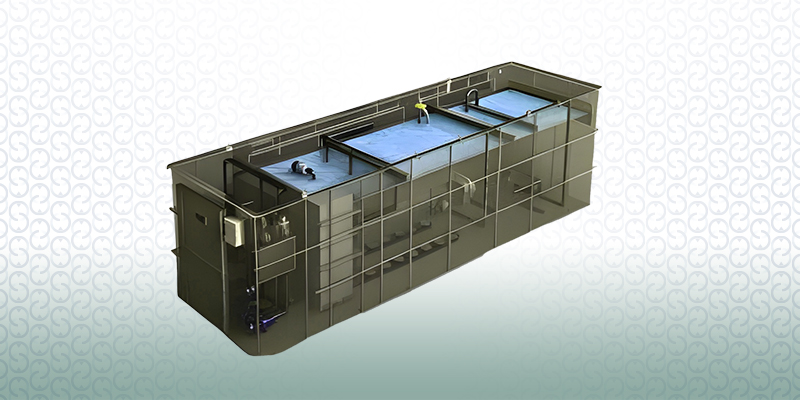
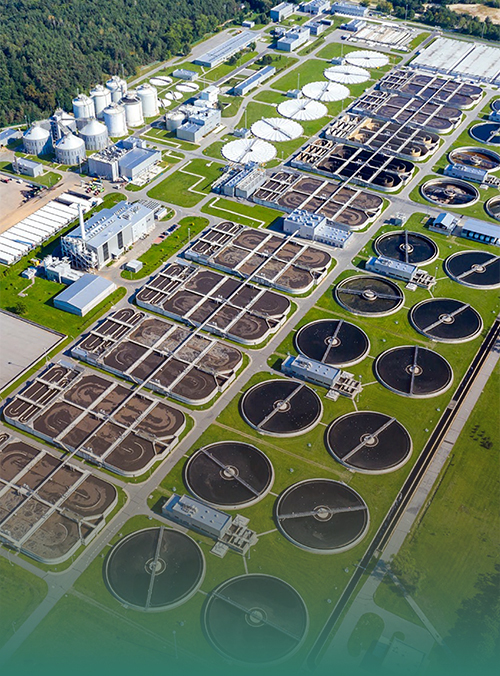
Sewage treatment uses a series of physical, biological and chemical processes to progressively remove solids, organic contaminants, nutrients and pathogens from wastewater, producing effluent suitable for safe discharge or reuse. 

1-Preliminary & Primary Treatment

Screens and grit removal systems capture large debris, while primary clarifiers allow heavy solids to settle and lighter oils and scum to rise for removal. This prepares the wastewater for deeper treatment and protects downstream equipment.

2-Secondary (Biological) Treatment

Microorganisms biologically degrade dissolved organic matter using processes such as activated sludge, sequencing batch reactors (SBR), trickling filters or moving-bed biofilm reactors (MBBR), reducing biochemical oxygen demand (BOD) and chemical oxygen demand (COD).

3-Tertiary Treatment & Polishing

Advanced processes remove residual suspended solids, nutrients and pathogens. These may include filtration, chemical precipitation, nutrient removal, disinfection (e.g., UV or ozone), or membrane filtration to achieve high effluent quality.

4-Sludge Handling & Dewatering

Sludge generated during treatment is thickened, dewatered and stabilised using belt presses, centrifuges or other dewatering technologies to reduce volume for safe disposal or reuse.

Sewage Treatment1

Applications

New hardware

Municipal Utilities

Processed food

Food Industry

Retrofit Build Compatibility

Production Plants

Health Improvement

Healthcare Streams

Mineral processing

Mining Communities

Petrochemical

Petrochemical Industry

Hospitality site

Hospitality Sites

Landfills and Biogas Management

Agricultural Streams

Core System Components

AquipTec’s sewage treatment systems integrate proven technologies selected and configured to meet site-specific wastewater profiles, effluent standards and operational goals.

Screening & Grit Removal

Mechanical screens and grit chambers protect downstream treatment equipment and remove debris, sand and grit. These components include coarse and fine screens, rakes and grit traps with automated extraction systems.

Primary Clarifiers & Oil Separation

Primary treatment units use gravity to settle solids and float oils/grease. Components include clarifier tanks, skimmer mechanisms, sludge hoppers and oil interceptors to reduce solids load for biological stages.

Biological Treatment Modules

Biological processes break down organic contaminants:
Activated Sludge Reactors (ASR) with aeration and settling tanks
MBBR Units with biofilm carriers
SBR Systems with controlled fill-aerate-settle phases
Trickling Filters with fixed media for attached growth
These systems are monitored and controlled for dissolved oxygen, solids recycling and optimal biomass activity.

Tertiary Polishing & Disinfection

Advanced polishing may use sand or membrane filters, biological nutrient removal, chemical precipitation for phosphorus capture, and disinfection via UV or ozone to achieve regulated effluent quality.

Sludge Treatment & Dewatering Modules

Sludge produced in primary and secondary stages is thickened, conditioned and dewatered using technologies such as belt filter presses, centrifuges or screw presses. Polymer dosing, conditioning tanks and sludge conveyors support efficient dewatering.

Control & Automation Systems

Integrated PLC/SCADA systems monitor pH, flow, dissolved oxygen, nutrient levels and other key parameters, providing automated control, data logging and remote access for consistent performance.

Key Benefits

New improvement

High Contaminant Removal

Sequential physical and biological stages remove solids, organics, and pathogens for safe discharge.

Modular Scalable Solutions

Modular & Scalable

Systems can expand with population or production growth and adapt to different waste profiles.

Technology Flexibility

Flexible Technology Selection

SCR or SNCR chosen to suit fuel type, temperature profile and required removal level.
High performance

Robust Performance

Engineered to handle fluctuating flow rates and variable wastewater characteristics.
New money

Reduced Operational Costs

Automated control and energy-efficient aeration minimise energy and labour requirements.
Robust Low Maintenance Design

Reduced Sludge Burden

Efficient sludge handling and dewatering reduce disposal volumes and costs.

Control system

Advanced Monitoring & Control

Real-time sensors and remote access ensure consistent performance and rapid fault response.

Australian Regulatory Support

Regulatory Compliance Support

Designed to achieve Australian environmental and effluent quality standards.

Why Choose AquipTec

Aquiptec delivers engineered sewage treatment technologies customised to your site’s wastewater profile and compliance goals:

  • Technology-neutral engineering approach to select the best processes.
  • End-to-end delivery from design through commissioning and service.
  • Local expertise and compliance knowledge with Australian standards.
  • Optimised solutions for sustainability and cost efficiency.

This solution is engineered and delivered exclusively by Aquiptec.

Frequently Asked Questions (FAQ)

What is sewage treatment?

Sewage treatment removes contaminants from wastewater through primary, secondary and tertiary processes to produce safe effluent.

Treated water can meet stringent discharge limits or be suitable for reuse in non-potable applications depending on treatment configuration.

Yes, modular and containerised options allow fast deployment and scalable capacity for remote or temporary sites.

Sludge is thickened, dewatered and stabilised to reduce volume and facilitate safe disposal or reuse.