


How It Works
Oily water treatment removes oil, grease and suspended contaminants through a combination of physical, chemical and biological processes tailored to the wastewater profile.
1-Influent Characterisation
Oily water is analysed for oil content, emulsions, suspended solids, and flow rate to determine appropriate technology combinations.
2-Primary Separation
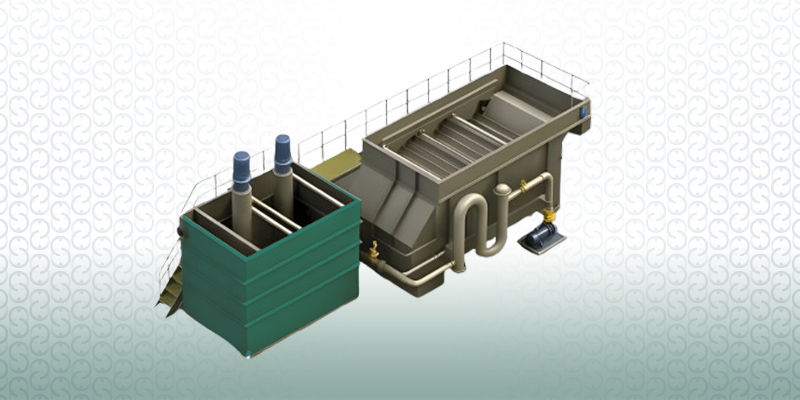
Physical processes such as gravity separation or coalescing (oil separator) facilitate the removal of free oil droplets from water. In gravitational separators, oil rises by density difference and is skimmed from the surface.
3-Enhanced Clarification
Dissolved air flotation (DAF) introduces micro-bubbles that attach to oil droplets and carry them to the surface for skimming.
4-Filtration & Membrane Polishing
Membrane technologies such as ultrafiltration and other fine barrier systems further separate emulsified oil and fine solids.
5-Chemical & Biological Treatment
Chemical coagulants and flocculants destabilise emulsions for easier separation, while biological processes can break down hydrocarbons in wastewater for sustainable treatment.
6-Treated Water Discharge or Reuse
Cleaned water, with reduced oil content and contaminants, is suitable for regulated discharge or industrial reuse.
Applications

Oil and Gas Process

Marine Bilge & Deck Drainage
Food Processing

Petrochemical and Refinery
Manufacturing Wash Waters
Grease Trap Effluents

Core System Components
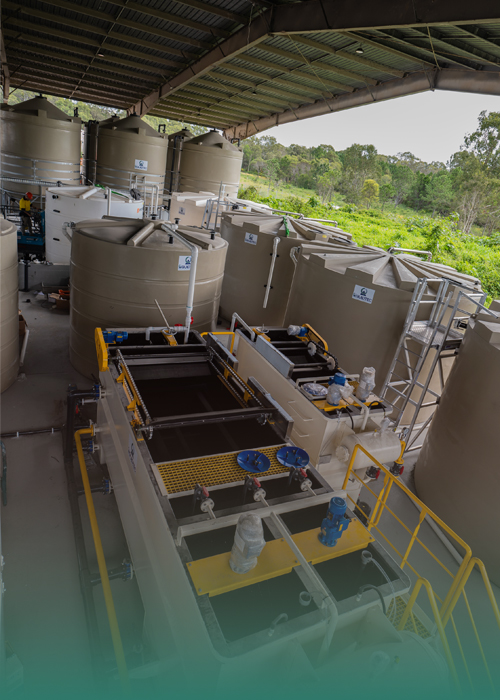
AquipTec engineers oily water treatment systems by integrating separation, flotation, filtration and conditioning technologies, tailored to the specific wastewater profile and performance targets.
Gravity & Coalescing Separators
Primary oil removal relies on oil-water density differences and coalescing media that encourage small droplets to merge into larger ones for easier separation. Core elements include:
• API oil-water separators or plate pack coalescers
• Skimmer mechanisms for oil removal
• Sludge and sediment collection zones
Gravity and coalescing approaches form the first crucial step in oil separation.
Dissolved Air Flotation (DAF)
DAF systems use pressurised air to create micro-bubbles that lift oil and suspended matter to the surface for skimming. Core components include:
• Flotation tank and recirculation system
• Air saturation and bubble generation module
• Skimmer and sludge collection mechanisms
DAF effectively handles emulsified oil and fine particulates.
Membrane Filtration Modules
Advanced membranes provide high-quality polishing and capture of residual oil and contaminants. Core components include:
• Ultrafiltration (UF) or fine membrane arrays
• High-pressure feed pumps and pre-filters
• Backwash and cleaning systems
Membrane modules improve effluent quality for reuse or stringent discharge limits.
Chemical Conditioning Systems
Chemical treatment enhances oil-water separation and stabilisation. Core components include:
• Chemical storage and dosing skids
• Coagulant and flocculant dosing control
• Mixing and reaction tanks
Control & Monitoring Systems
Automated instrumentation and monitoring ensure treatment performance and regulatory compliance. Core components include:
• Online oil-in-water sensors and analysers
• Automated dosing and process feedback systems
• Alarm and safety interlocks
Key Benefits

Highly Effective Oil Removal
Multi-stage separation removes free and emulsified oil to achieve strict discharge limits for water treatment.

Water Reuse Capability
Treated oily water can be recycled for industrial use, reducing freshwater demand.

Flexible Technology Integration
Modular systems combine DAF, separation, membranes and chemistry for varied oil content.

Enhanced Infrastructure Protection
Removing harmful oils reduces corrosion, fouling and wear on downstream pumps, piping and treatment units.
Reduced Operational Costs
Automated controls and removal processes minimise chemical consumption and maintenance effort.

Automated Monitoring & Control
Real-time performance tracking supports reliable operation and reduced operator workload.

Robust Performance
Handles fluctuating influent conditions and maintains stable treatment outcomes.

Regulatory Compliance Support
Designed to meet Australian environmental rules and maintain effluent quality for licence approval.
Why Choose AquipTec
AquipTec delivers tailored oily water treatment solutions built for performance, compliance and operational efficiency:
- Technology-neutral engineering approach to match the right combination of processes.
- End-to-end delivery from system design through commissioning and service.
- Local expertise with Australian regulatory knowledge and support.
- Optimised for cost-effective operation and environmental performance.
This solution is engineered and delivered exclusively by AquipTec.
Frequently Asked Questions (FAQ)
What is oily water?
Oily water is wastewater containing oil, grease and hydrocarbons that require treatment before discharge or reuse.
How low can oil levels be reduced?
With combined technologies, oil content can often be reduced to single-digit parts per million or lower, depending on discharge standards.
Can treated water be reused?
Yes, treated water is often suitable for reuse in cooling, cleaning, or other industrial processes.
Is chemical dosing necessary?
Chemical coagulants and flocculants improve separation efficiency, especially for emulsified oils.
Can systems be retrofitted?
Yes, modular design allows integration with existing wastewater systems.