


How It Works
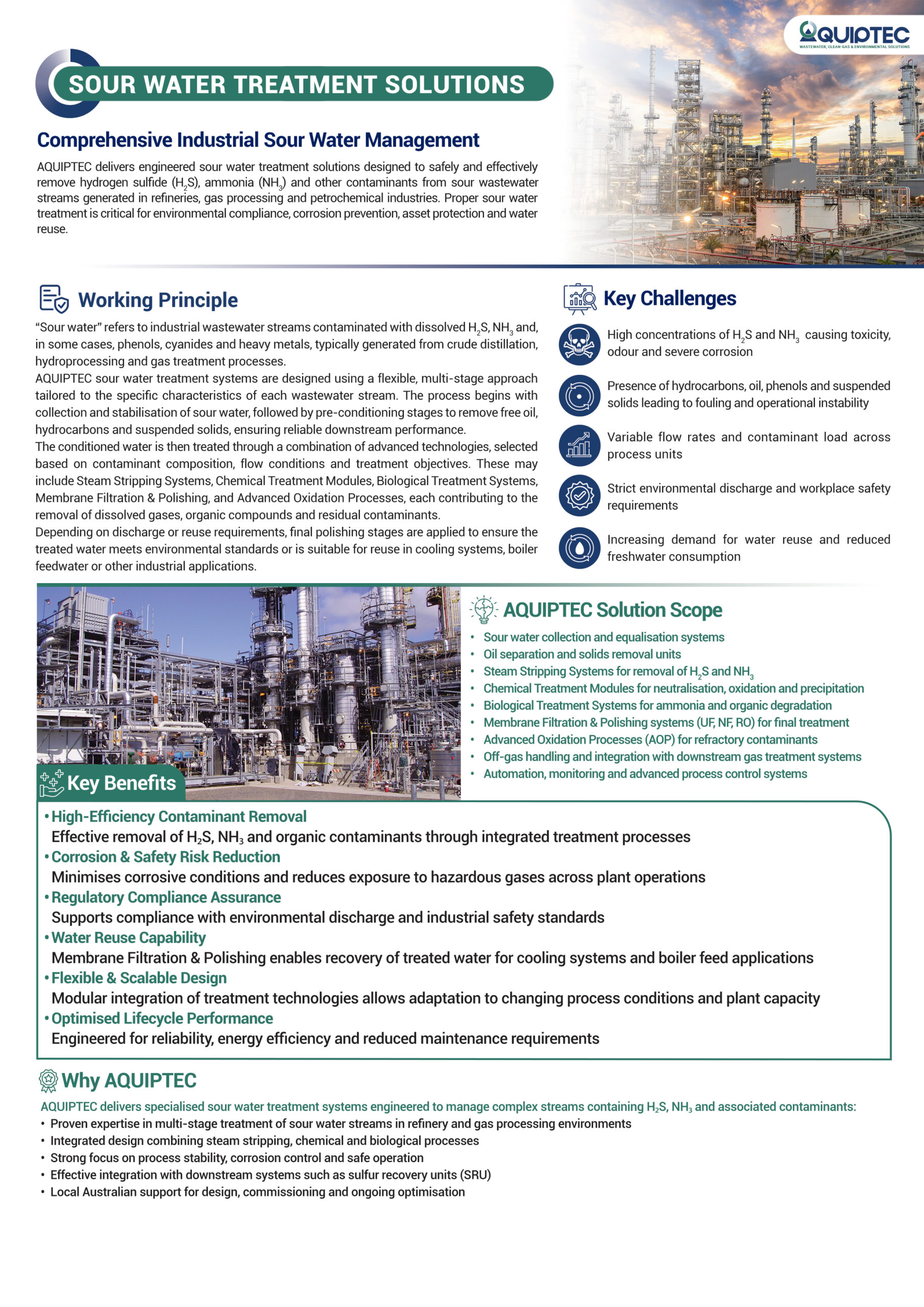
“Sour water” refers to water streams contaminated with dissolved H₂S, NH₃ and sometimes phenols, cyanides and heavy metals, byproducts of processes such as crude distillation, hydroprocessing and gas treating. Untreated sour water poses toxicity, corrosion and environmental discharge risks that must be controlled before reuse or release. Therefore, Sour Water Treatment is of great importance.
1-Sour Water Collection
Contaminated water is collected from process units and surge tanks for treatment.
2-Pre-Conditioning & Screening
Physical separation and oil removal to reduce solids and hydrocarbons prior to main treatment.
3-Treatment & Removal
Water undergoes one or more treatment methods (e.g., steam stripping, biological, chemical, membrane, advanced oxidation) depending on contaminants and end-use goals.
4-Polishing & Discharge/Reuse
Polishing steps (e.g., membrane filtration) ensure treated water meets discharge standards or can be reused in cooling towers, boiler feedwater or other process applications.
Applications

Petrochemical Plants
Sulfur Recovery Units
Industrial Wastewater treatment
Cooling Towers

Boiler Feedwater

Gas Processing Facilities

Core System Components
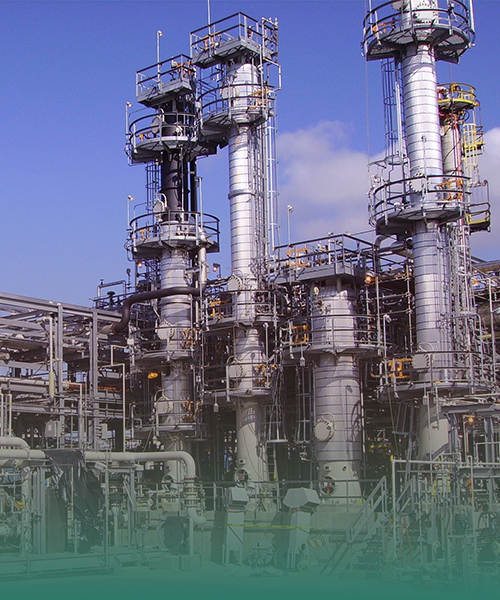
AQUIPTEC designs and configures sour water treatment systems by combining treatment technologies with engineered components suited to site needs and performance targets.
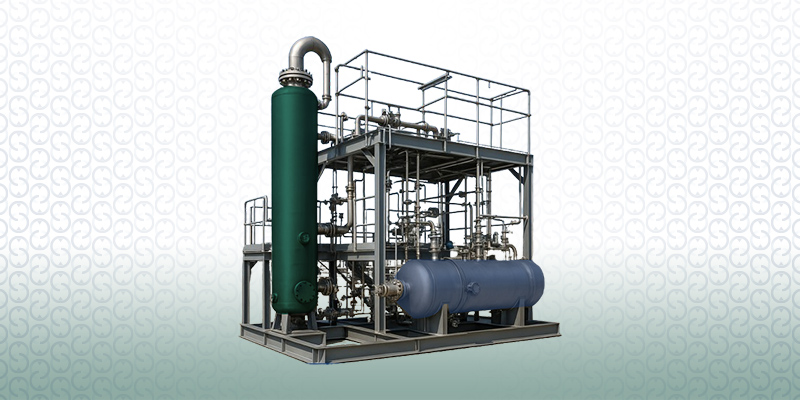
Steam Stripping Systems
Steam stripping removes volatile contaminants, especially H₂S and NH₃, by vaporising them from sour water.
This system incorporates stripper columns, heat recovery pre-heaters, steam reboilers and gas handling units. Core components include:
• Stripping column with internals for efficient contact
• Steam reboiler and heat exchange systems
• Off-gas cooling, condensation and capture systems
• Corrosion-resistant piping and vessels
Steam stripping is highly effective for large sour water volumes and produces off-gas streams suitable for further processing or safe disposal.
Chemical Treatment Modules
Chemical processes target neutralisation, oxidation and contaminant precipitation. Core components include:
• Chemical storage and dosing systems (oxidants, pH adjustment agents)
• Mixing and reaction tanks
• Clarifiers and flocculation units
• Sludge removal and disposal provisions
Chemical treatment is often combined with steam stripping or biological stages to improve removal efficiency and reduce toxicity.
Biological Treatment Systems
Biological systems use specialised microbes to degrade ammonia and organic contaminants in sour water. Core components include:
• Aerobic/anaerobic bioreactors and carriers
• Nutrient and oxygen delivery systems
• Aeration blowers and diffusers
• Biomass monitoring and control systems
Biological Sour Water Treatment offers sustainable performance with low operating costs for organic-rich sour streams.
Membrane Filtration & Polishing
Membrane systems provide high-quality polishing for treated water. Core components include:
• Reverse osmosis (RO), nanofiltration (NF) or ultrafiltration (UF) membrane arrays
• High-pressure pumps and pre-filtration units
• Automatic flushing and cleaning systems
Membranes ensure removal of dissolved solids and contaminants for reuse or discharge.
Advanced Oxidation Processes
Advanced oxidation processes (AOPs) generate reactive species to further break down persistent contaminants. Core components include:
• UV reactors, ozone or peroxide dosing systems
• Radical generation chambers
• Safety controls for oxidising agents
AOPs are effective for degrading hard-to-remove organic compounds.
Key Benefits

Effective Contaminant Removal
Removes H₂S, NH₃ and other compounds from sour water to protect equipment & environment.

Corrosion & Safety Mitigation
Reduces corrosive impacts and hazardous gas exposure risks, improving asset protection and workplace safety.

Regulatory Compliance
Ensures treated water meets environmental discharge standards and supports site licence requirements.

Water Reuse Capability
Enables treated water to be recovered for cooling or boiler operations, lowering consumption of fresh water.
Lower Operating Costs
Efficient reductant use and advanced controls lower ongoing operating expenses.

Flexible, Scalable Solutions
Modular treatment design adapts to changes in plant capacity, contaminant loads & space limits.

Optimised Lifecycle Costs
Engineered for reliability, easy maintenance and lower operational costs throughout plant lifetime.

Australian Standards Alignment
Systems engineered to meet Australian industrial NOx limits.
Why Choose AquipTec
AQUIPTEC delivers tailored sour water treatment systems engineered for performance under Australian industrial and regulatory conditions:
• Independent, technology-neutral system design
• End-to-end project delivery from assessment to commissioning
• Local support, optimisation and maintenance services
• Solutions for both new installations and retrofits
Frequently Asked Questions (FAQ)
What is sour water and why does it require specialised treatment?
Sour water contains dissolved hydrogen sulfide and ammonia, making it toxic, corrosive and environmentally harmful. Treatment removes these contaminants to meet safety and compliance standards.
How do I choose the most suitable sour water treatment technology?
Selection depends on contaminant concentrations, flow rates, final water quality targets and site constraints. AQUIPTEC engineers assess these to recommend the best combination of steam stripping, biological, chemical or membrane systems.
Can treated sour water be reused?
Yes, after appropriate treatment and polishing, sour water can be reused for cooling systems, boiler feedwater or other industrial processes, reducing freshwater demand.
Are these systems scalable for large industrial plants?
Absolutely. AQUIPTEC systems are modular and scalable to handle volumes from small process units to large refinery sour water streams.