

Oily Sludge Treatment

How It Works

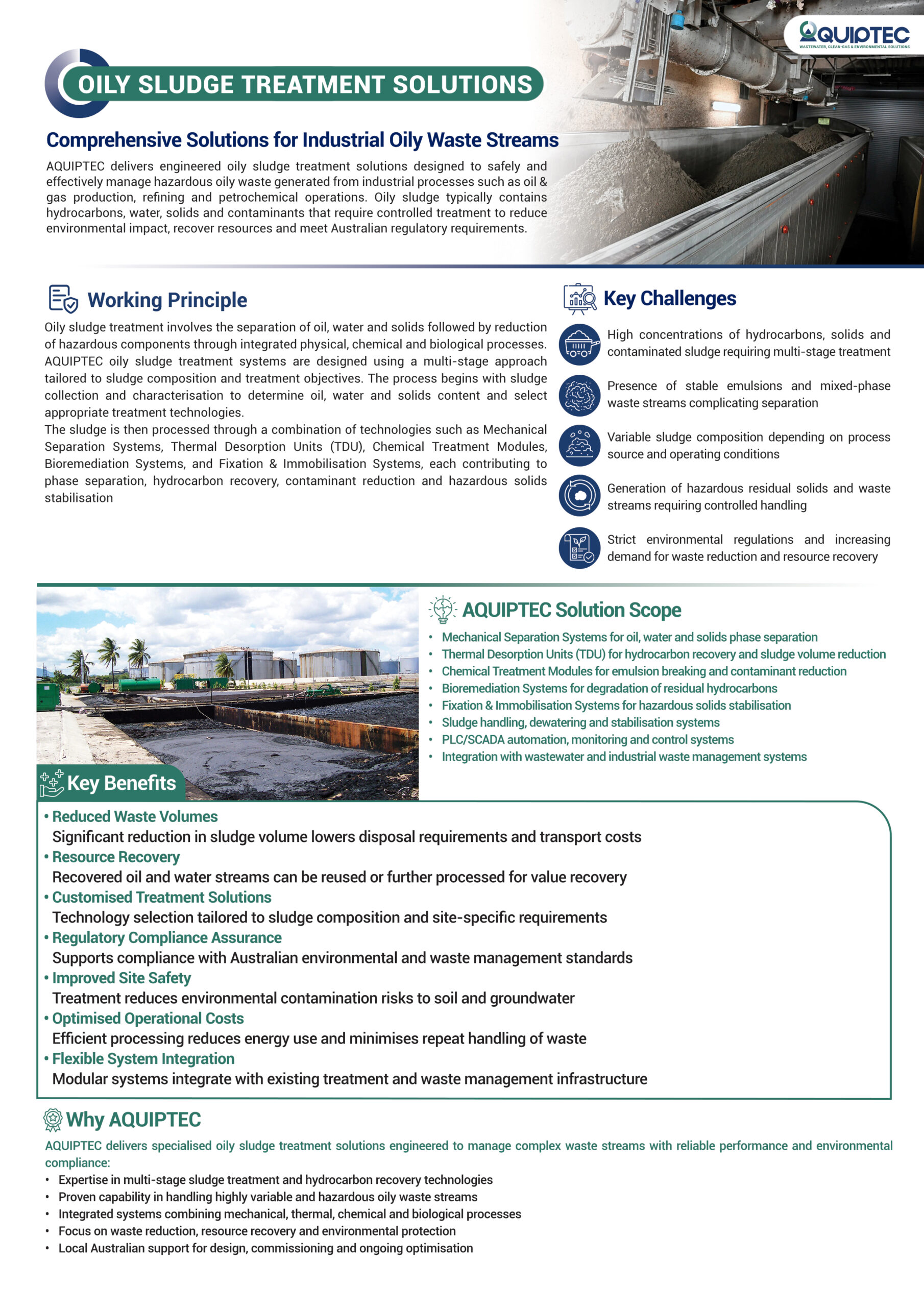
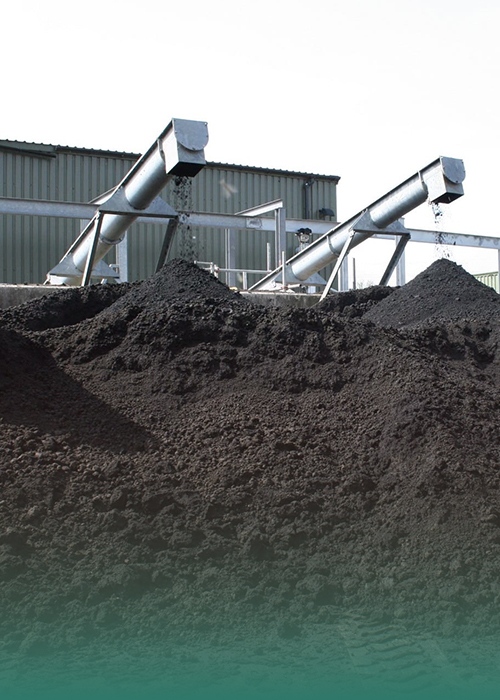
Oily sludge treatment involves separating oil, water, and solids, and then reducing the hazardous nature of the waste stream through physical, chemical, and biological processes that recover resources and minimise disposal volumes.

1- Sludge Collection & Characterisation

Oily sludge is first collected from tanks, separators, lagoons or process units and tested to determine its composition (oil, water, solids). Treatment method selection is based on these properties.

2-Pre-Treatment & Separation

Mechanical processes such as centrifugation, dissolved gas/flotation or gravity separation are used to break emulsions and separate phases (oil, water, solids). Technologies like dissolved air flotation (DAF) and induced gas flotation (IGF) lift oil/solids to the surface for removal. 

3- Treatment Processes

Depending on objectives and sludge characteristics:
Thermal desorption applies heat in the absence of oxygen to volatilise hydrocarbons and recover oil while reducing solid volume.
Bioremediation uses microbes to break down hydrocarbons into less harmful byproducts.
Solvent extraction dissolves and separates hydrocarbons from solids.
Chemical oxidation breaks down organics with oxidising agents.

4- Resource Recovery & Disposal

Recovered oil can be re-refined or reused. Water is treated further or safely discharged, and remaining solids are disposed of or stabilised according to environmental standards. 

Oily sludge treatment

Applications

Petrochemical

Petrochemical plants
Refinery Sludge
Refinery Sludge

Packaged Treatment Plants main

Industrial Wastewater

Storage Tanks

Storage Tanks ​

Core System Components

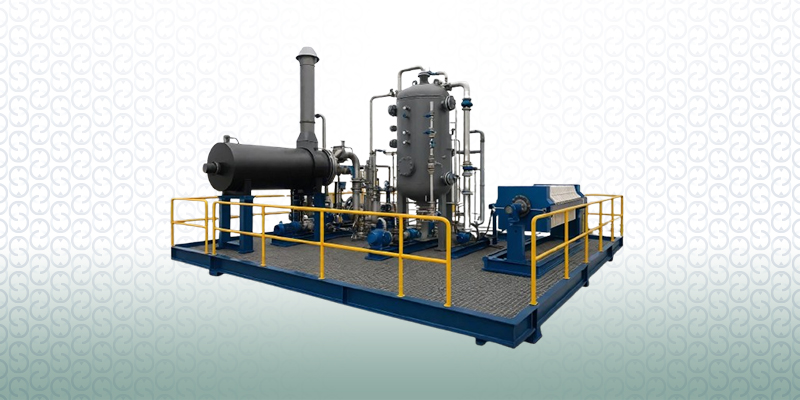
AquipTec designs and configures oily sludge treatment systems by integrating advanced separation, thermal, chemical and biological processes with engineered components selected to suit onsite sludge characteristics and performance targets.

Mechanical Separation Systems

Mechanical separation removes free oil and water from solids to reduce sludge volume and recover valuable hydrocarbons. Core components include:
• Decanter and disc-stack centrifuges for high-speed phase separation
• Dissolved / induced gas flotation units for oil and suspended solids removal
• Coalescers and gravity separators for primary phase breakdown
Mechanical separation provides the essential first step in oily sludge reduction and supports higher efficiency in downstream treatment.

Thermal Desorption Units (TDU)

Thermal desorption volatilises hydrocarbons from solids under controlled heating conditions. Core components include:
• Thermal reaction chamber with precise temperature control
• Indirect heating system for efficient hydrocarbon release
• Vapour recovery and condensation train for oil capture
• Solids discharge and cooling equipment
TDUs deliver significant sludge volume reduction and enable oil recovery for reuse or further refining.

Chemical Treatment Modules

Chemical conditioning improves separation and reduces sludge toxicity. Core components include:
• Chemical storage and dosing for emulsions breaking and oxidation
• Mixers and reaction tanks for efficient chemical contact
• Clarifiers and dewatering units for solids concentration
Chemical treatment enhances hydrocarbon release and prepares sludge for thermal or biological processing.

Bioremediation Systems

Biological systems employ specialised microbes to degrade residual hydrocarbons in treated solids. Core components include:
• Aerobic and anaerobic bioreactors
• Nutrient and air delivery infrastructure
• Monitoring and automation to maintain biological activity
Bioremediation reduces residual contamination and supports sustainable final disposal or beneficial reuse.

Water Treatment & Polishing Modules

Recovered water is treated to meet discharge or reuse requirements. Core components include: • Oil-water separation and dissolved air flotation (DAF) • Filtration or membrane units for polishing • Automated controls for water quality management Integrated water treatment ensures complete resource recovery and environmental compliance.

Key Benefits

New improvement

Site Safety & Risk Management

Treating hazardous oily sludge reduces contamination risk to soil, groundwater and nearby communities.

Custom Technology Selection

Customised Treatment Solutions

Tailored technology selection based on sludge composition and regulatory goals ensures effective performance.

Technology Flexibility

Flexible Integration

Systems can be integrated into existing wastewater or waste management infrastructure with minimal disruption.

New progress

Resource Recovery

Recovered oil can be reused or further processed, improving sustainability and reducing raw material needs.

New money

Lower Operating Costs

Efficient separation and processing reduce energy use and repeat handling of residual waste.
Robust Low Maintenance Design

Reduced Waste Volumes

Reduction in sludge volume through dehydration and separation, lowering disposal cost and transport footprint.

High performance

Enhanced Operational Efficiency

Removing oil and solids improves downstream treatment performance and plant reliability.

Australian Regulatory Support

Environmental Compliance

Designed to help industrial facilities meet Australian environmental standards and discharge requirements.

Why Choose AquipTec

AquipTec delivers engineered oily sludge treatment solutions that are tailored to your site’s waste stream, regulatory environment and operational goals:

  • Technology-neutral design that evaluates the most effective treatment processes.
  • End-to-end delivery from concept through commissioning and support.
  • Local engineering expertise with Australian site compliance experience.
  • Optimised for environmental performance and cost efficiency.

This solution is engineered and delivered exclusively by Aquiptec.

Frequently Asked Questions (FAQ)

What is oily sludge and why treat it?

Oily sludge is a mixture of hydrocarbons, water and solids that poses environmental risk and regulatory non-compliance if discharged untreated.

Yes, technologies like centrifugation, thermal desorption and solvent extraction can recover valuable hydrocarbons for reuse.

Bioremediation uses microbes to break down hydrocarbons and can be an environmentally friendly option for certain sludge types.

Separated water is further treated to meet discharge or reuse standards as part of an integrated wastewater system.

Yes, modular components and flexible design allow integration into existing waste management infrastructure.