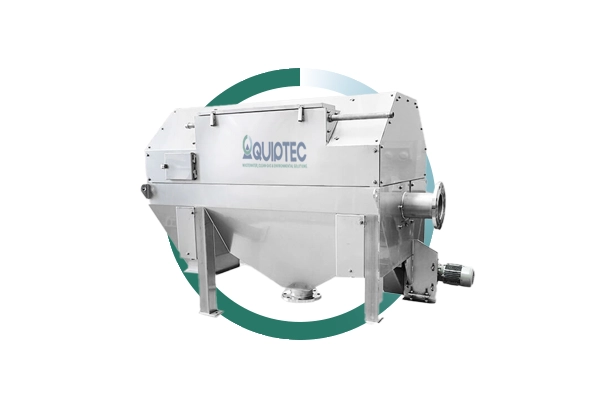
Internally Fed Rotary Drum Screen

Internally Fed Rotary Drum Screen

Solids Handling, Screening & Sludge Treatment Equipment
Rotary drum filter screen

The Internally Fed Rotary Drum Screen (IRDS) is a compact system used to remove fine solids, fibres, and impurities from wastewater. Water flows into a rotating drum, where filter plates catch the solids and let clean water pass through. It runs automatically, including flushing and removing the collected solids, so it needs very little manual work. The design helps prevent clogging and keeps the system running smoothly in different conditions. Made from durable stainless steel, it’s built to last and is easy to install and maintain. Overall, it’s a reliable and cost-effective solution for wastewater pre-treatment.

FA 01

1. What is an internally fed rotary drum screen?

An internally fed rotary drum screen is a compact wastewater treatment unit where influent enters inside a rotating drum to remove solids and fine particles.

2. What are the main advantages of this system?

Internally fed rotary drum screen offers efficient filtration, automatic operation, stable performance, and a compact footprint. It is also easy to maintain and is designed to reduce clogging.

3. Where can this system be used?

Internally fed rotary drum screens are used in municipal wastewater treatment, food processing, paper mills, and industrial facilities to remove suspended solids and improve downstream treatment.

4. What types of screens are available?

The system can use different screen types, such as wedge wire or perforated plates, with various opening sizes to suit different wastewater conditions.

Specification and Parameters 01
Serviceable Range Solt IRDS-3036(m³/h) IRDS-3048(m³/h) IRDS-S3060(m³/h) IRDS-4248(m³/h) IRDS-4272(m³/h) IRDS-5472(m³/h) IRDS-5496(m³/h)
Dimensions Of Screen mm φ800×950 φ800×1220 φ800×1524 φ1060×1200 φ1060×1830 φ1380×1830 φ1380×2440
Municipal Sewage 2.5 136 182 227 318 455 636 818
Paper Industry 0.1 30 41 52 68 102 145 193
Paper Industry 0.8 72 80 95 125 193 273 364
Paper Industry 1 73 103 127 159 227 386 500
Fruit And Vegetable Industry 0.5 68 91 114 148 216 318 341
Fruit And Vegetable Industry 0.8 73 95 118 180 227 455 477
Seafood Industry 0.5 55 73 95 125 193 296 382
Seafood Industry 0.8 59 80 102 136 205 318 421
Meat Industry 0.5 55 73 95 125 193 296 386
Meat Industry 0.8 59 80 102 136 205 318 421
Poultry Industry 0.5 55 73 95 125 193 296 386
Dimensions(LxWxH) m 2.1×1.2×1.4 2.4×1.2×1.4 2.7×1.2×1.4 2.5×1.5×1.8 3.1×1.5×1.8 3.1×1.8×2.3 3.7×1.8×2.3
Influent Flange DIN DN150 DN150 DN150 DN200 DN200 DN300 DN300
Effluent Flange DIN DN150 DN150 DN150 DN250 DN250 DN400 DN400
Spray Influent G G1-1/4″ G1-1/4″ G1-1/4″ G1-1/4″ G1-1/4″ G1-1/4″ G1-1/4″
Solids Discharge mm 254×305 254×305 254×305 254×457 254×457 254×610 254×610
Dry Weight kg 500 590 720 680 1020 1700 2250
Wet Weight kg 720 810 950 1050 1500 2000 2800
Power kw 0.37 0.37 0.37 0.55 0.75 1.1 1.1


Feature 01

Features

Standard Features

  • SS304 Stainless Steel Construction for durability and corrosion resistance.
  • Integrated One-Piece Structure for stability and long service life.
  • TEFC Drive System with anti-corrosion roller chain.
  • UHMWPE Wheel Assemblies & Cylindrical Bearings for smooth rotation.
  • External Spray Cleaning System for continuous self-cleaning.
  • Screw Blade Discharge for efficient solids removal.
  • Sealing Cover Plates to minimise odours and splashing.
  • Drain Pan & Slag Discharge Design for clean operation.

Options & Accessories

  • Filter Type Selection: Cuneal or punched plate with apertures from 0.25–6 mm to match application needs.

Working principl 01

Working Principle

The Internally Fed Rotary Drum Screen (IRDS) treats medium-flow, low-solid-rate wastewater using a closed and compact drum design. The drum is supported on four rotating wheels, driven horizontally by a TEFC reducer, roller chain, and sprocket.
Wastewater enters the drum where the cuneal or punched filter plates (0.25–6 mm) capture suspended solids.
Filtered solids are discharged through a drainage pan and slagging mechanism, while clarified water exits for further treatment or discharge. An external spray cleaning system automatically flushes the screen, preventing clogging and ensuring continuous operation.

 

Key Benefits 01

Key Benefits

  • Efficient Filtration:
    The high-precision screen effectively removes suspended solids, fibres, hair, and other fine impurities from wastewater, significantly improving treatment quality.
  • High Automation:
    Equipped with an advanced control system for automatic operation, flushing, and slag discharge, reducing manual effort and ensuring stable, reliable performance.
  • Stable Operation:
    The specially designed drum rotates smoothly with minimal risk of clogging or vibration, and all components work together to maintain steady performance even in demanding conditions.
  • Compact Footprint:
    Its space-saving structure makes it ideal for installations where available area is limited, offering a practical alternative to traditional screening equipment.
  • Easy Maintenance:
    Thoughtfully designed components are simple to remove and service, while the integrated flushing system prevents clogging, reduces filter replacements, and lowers maintenance costs.


Key-mobile

Key Benefits

  • Efficient Filtration:
    The high-precision screen effectively removes suspended solids, fibres, hair, and other fine impurities from wastewater, significantly improving treatment quality.
  • High Automation:
    Equipped with an advanced control system for automatic operation, flushing, and slag discharge, reducing manual effort and ensuring stable, reliable performance.
  • Stable Operation:
    The specially designed drum rotates smoothly with minimal risk of clogging or vibration, and all components work together to maintain steady performance even in demanding conditions.
  • Compact Footprint:
    Its space-saving structure makes it ideal for installations where available area is limited, offering a practical alternative to traditional screening equipment.
  • Easy Maintenance:
    Thoughtfully designed components are simple to remove and service, while the integrated flushing system prevents clogging, reduces filter replacements, and lowers maintenance costs.


working-mobile

Working Principle

The Internally Fed Rotary Drum Screen (IRDS) treats medium-flow, low-solid-rate wastewater using a closed and compact drum design. The drum is supported on four rotating wheels, driven horizontally by a TEFC reducer, roller chain, and sprocket.
Wastewater enters the drum where the cuneal or punched filter plates (0.25–6 mm) capture suspended solids.
Filtered solids are discharged through a drainage pan and slagging mechanism, while clarified water exits for further treatment or discharge. An external spray cleaning system automatically flushes the screen, preventing clogging and ensuring continuous operation.


Features-mobile

Features

Standard Features

  • SS304 Stainless Steel Construction for durability and corrosion resistance.
  • Integrated One-Piece Structure for stability and long service life.
  • TEFC Drive System with anti-corrosion roller chain.
  • UHMWPE Wheel Assemblies & Cylindrical Bearings for smooth rotation.
  • External Spray Cleaning System for continuous self-cleaning.
  • Screw Blade Discharge for efficient solids removal.
  • Sealing Cover Plates to minimise odours and splashing.
  • Drain Pan & Slag Discharge Design for clean operation.

Options & Accessories

  • Filter Type Selection: Cuneal or punched plate with apertures from 0.25–6 mm to match application needs.
SaP
Serviceable Range Solt IRDS-3036(m³/h) IRDS-3048(m³/h) IRDS-S3060(m³/h) IRDS-4248(m³/h) IRDS-4272(m³/h) IRDS-5472(m³/h) IRDS-5496(m³/h)
Dimensions Of Screen mm φ800×950 φ800×1220 φ800×1524 φ1060×1200 φ1060×1830 φ1380×1830 φ1380×2440
Municipal Sewage 2.5 136 182 227 318 455 636 818
Paper Industry 0.1 30 41 52 68 102 145 193
Paper Industry 0.8 72 80 95 125 193 273 364
Paper Industry 1 73 103 127 159 227 386 500
Fruit And Vegetable Industry 0.5 68 91 114 148 216 318 341
Fruit And Vegetable Industry 0.8 73 95 118 180 227 455 477
Seafood Industry 0.5 55 73 95 125 193 296 382
Seafood Industry 0.8 59 80 102 136 205 318 421
Meat Industry 0.5 55 73 95 125 193 296 386
Meat Industry 0.8 59 80 102 136 205 318 421
Poultry Industry 0.5 55 73 95 125 193 296 386
Dimensions(LxWxH) m 2.1×1.2×1.4 2.4×1.2×1.4 2.7×1.2×1.4 2.5×1.5×1.8 3.1×1.5×1.8 3.1×1.8×2.3 3.7×1.8×2.3
Influent Flange DIN DN150 DN150 DN150 DN200 DN200 DN300 DN300
Effluent Flange DIN DN150 DN150 DN150 DN250 DN250 DN400 DN400
Spray Influent G G1-1/4″ G1-1/4″ G1-1/4″ G1-1/4″ G1-1/4″ G1-1/4″ G1-1/4″
Solids Discharge mm 254×305 254×305 254×305 254×457 254×457 254×610 254×610
Dry Weight kg 500 590 720 680 1020 1700 2250
Wet Weight kg 720 810 950 1050 1500 2000 2800
Power kw 0.37 0.37 0.37 0.55 0.75 1.1 1.1


FAQ

1. What is an internally fed rotary drum screen?

An internally fed rotary drum screen is a compact wastewater treatment unit where influent enters inside a rotating drum to remove solids and fine particles.

2. What are the main advantages of this system?

Internally fed rotary drum screen offers efficient filtration, automatic operation, stable performance, and a compact footprint. It is also easy to maintain and is designed to reduce clogging.

3. Where can this system be used?

Internally fed rotary drum screens are used in municipal wastewater treatment, food processing, paper mills, and industrial facilities to remove suspended solids and improve downstream treatment.

4. What types of screens are available?

The system can use different screen types, such as wedge wire or perforated plates, with various opening sizes to suit different wastewater conditions.