
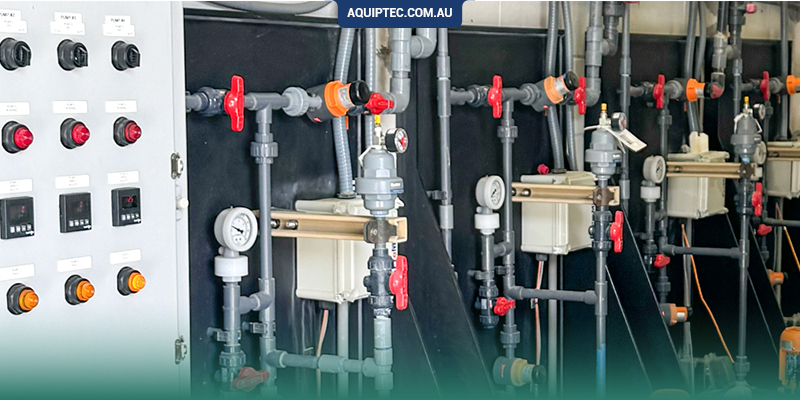
If you work in water treatment, mining, manufacturing, or food processing, you already know that chemicals are game-changers. But here’s the thing: using the right chemicals is only half the job. If those chemicals aren’t added at the correct rate, you can end up with poor treatment results, wasted chemicals, higher costs, and even equipment damage. That’s where a chemical dosing system comes in.
A dosing system transfers and injects the right amount of chemical at the right time. Sounds simple, right? But choosing the right system isn’t always easy. Every industry has different requirements. The type of chemical, flow rate, operating pressure, and automation level all affect which solution is the best fit.
In this article, we’ll explain everything you need to know before investing in a chemical dosing system. You’ll learn what to look for, the mistakes to avoid, and how the right system can save your business both time and money.
What Is a Chemical Dosing System?
A chemical dosing system is designed to add the right amount of chemicals to a process at the right time. You’ll find these systems in many industries, including:
- Water treatment
- Wastewater treatment
- Mining
- Food and beverage
- Agriculture
- Chemical manufacturing
- Power generation
- Pharmaceutical production
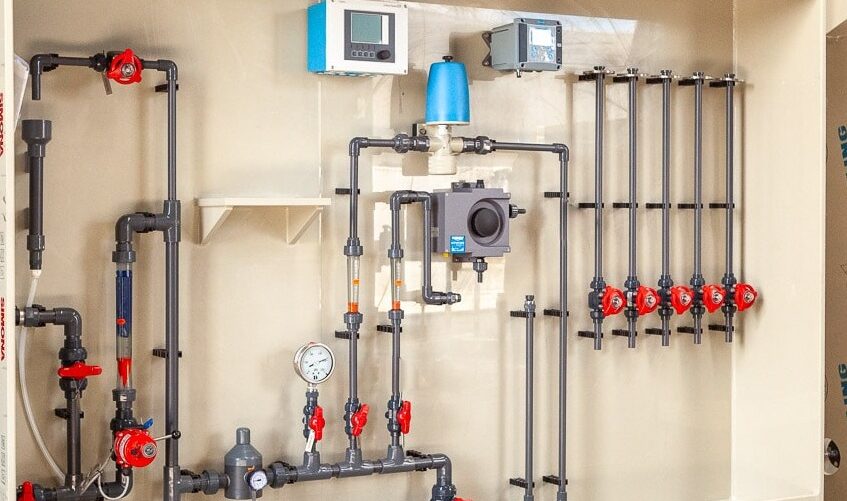
A complete system usually has a storage tank, dosing pumps, a control panel, a flow meter, an injection point, some safety devices, pipes, and valves. Depending on the application, the system can dose chemicals like chlorine, sodium hypochlorite, sulfuric acid, caustic soda, polymers, coagulants, flocculants, and many others.
Read More: What’s a Chemical Dosing System?
Why Choosing the Right Chemical Dosing System Matters
Some businesses focus only on buying a dosing pump. That’s a mistake. A chemical dosing system is much more than pumping liquid from one tank to another. It needs to work with your entire process. Choosing the wrong system can lead to several problems, like:
- Overdosing chemicals
- Underdosing treatment chemicals
- Increased operating costs
- Product quality issues
- Equipment corrosion
- Safety risks
- Frequent maintenance
- Process downtime
Pros of Chemical Dosing System
The right system has 5 important benefits:
- The pipes, valves, and other metal parts of the process will not be damaged by excessive chemicals.
- An automatic chemical dosing system reduces waste by delivering only what’s needed.
- The discharged water is safe to be reused or released into lakes and ponds.
- Operators spend less time making manual adjustments, and production runs nonstop.
- Many industrial chemicals are hazardous. An enclosed dosing system reduces operator exposure.
- Many industries must meet strict environmental regulations. Accurate chemical dosing makes it easier to stay within discharge limits and maintain compliance.
4 Types of Chemical Dosing Systems
Not every industry needs the same type of system. Understanding the available options makes it much easier to choose the right one.
Manual Chemical Dosing System
Manual systems rely on operators to control the chemicals. They’re affordable and easy to install, but they’re not the best option for facilities that need consistent results. They’re generally used for:
- Small plants
- Temporary operations
Read More: Chemical Preparation Unit
Automatic Chemical Dosing System
An automatic chemical dosing system uses sensors, controllers, and dosing pumps to adjust chemicals automatically. This type of system:
- Delivers the right amount of chemicals every time
- Reduces the need for manual operation
- Keeps treatment results consistent
- Helps minimise chemical waste
This is the BEST OPTION for most industrial facilities.
Read More: Automatic Polymer Preparation Unit
Chemical Dosing Skid
A chemical dosing skid is a fully assembled package mounted on a steel frame. Instead of buying each component separately, you receive a complete, ready-to-install system. A dosing skid usually includes:
- Storage tank
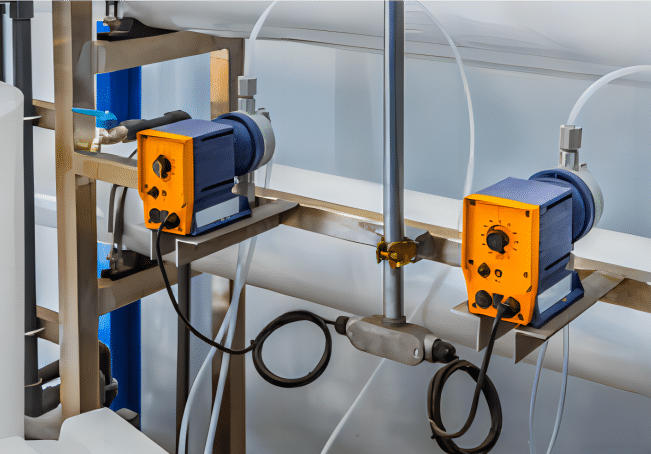
- Metering pump
- Pipework
- Instrumentation
- Control panel
- Safety equipment
Its installation is faster, and maintenance is often simpler.
Custom Chemical Dosing Package
Some industries have unique requirements. A custom chemical dosing package can be designed based on their:
- Flow rate
- Available space
- Plant layout
- Automation level
- Future expansion
Consider These Factors When Choosing a Chemical Dosing System
Choosing the cheapest system isn’t always the best idea. Instead, look for equipment that fits your process and meets your needs. Here are the most important factors.
1. Know Your Chemical
Every chemical behaves differently. Some are corrosive. Others are thick and sticky. Some release fumes, while others react with certain materials. Before selecting any chemical dosing equipment, ask:
- Is the chemical acidic or alkaline?
- Is it corrosive?
- Does it contain solids?
- Is it highly viscous?
- Does it require special storage?
The answers determine which materials should be used for tanks, pumps, seals, and pipework. For example, aggressive chemicals may require stainless steel, PVC, or specialised plastics instead of standard materials.
2. Determine the Required Flow Rate
Flow rate is one of the biggest factors when selecting a chemical dosing pump system. If the pump is too small, it won’t meet production demands. If it’s oversized, you’ll lose dosing accuracy and spend more than necessary. When calculating flow rate, consider:
- Daily production
- Peak demand
- Future expansion
- Required dosing concentration
3. Consider Dosing Accuracy
Not every application requires the same level of precision. For example:
- Drinking water treatment demands extremely accurate dosing.
- Industrial cooling systems may allow for slightly wider tolerances.
- Pharmaceutical manufacturing requires very high precision.
4. Evaluate Operating Pressure
Your dosing system must overcome the pressure within the pipeline to inject chemicals. If pressure isn’t considered during design, the pump may struggle to deliver the required dose. Always check:
- Pipeline pressure
- Injection pressure
- Pump discharge pressure
- Maximum operating pressure
5. Think About Automation
Many facilities have moved away from manual adjustments and now use PLC and SCADA systems to automate their chemical dosing process. Automation allows operators to:
- Monitor dosing remotely
- Adjust flow automatically
- Receive alarms
- Track chemical consumption
- Improve reporting
- Reduce human error
6. Choose the Right Tank Size
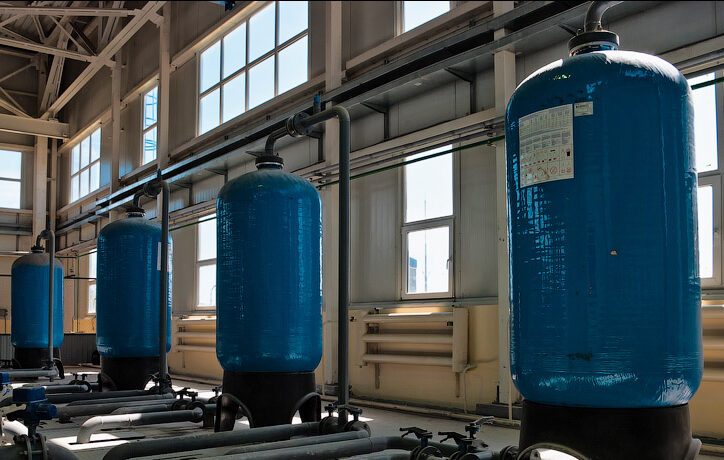
A tank that’s too small will need constant refilling, increasing labour and the risk of running out of chemicals. On the other hand, an oversized tank may take up valuable floor space and keep chemicals in storage longer than necessary. When choosing a tank, consider:
- Daily chemical usage
- Delivery schedules
- Available installation space
- Chemical shelf life
- Future production growth
7. Select the Right Construction Materials
Not all chemical dosing equipment is made from the same materials. Choosing the wrong material can lead to corrosion, leaks, and expensive repairs. The materials should always be compatible with the chemicals being handled. Some common options include:
- PVC
- Polypropylene (PP)
- Polyethylene (PE)
- Stainless steel
- PVDF
For example, highly corrosive chemicals often require plastic components, while some industrial processes benefit from stainless steel for extra strength and durability. If you’re unsure, it’s always worth asking a professional for a chemical compatibility assessment before making a decision.
8. Look for Easy Maintenance
No one wants a system that’s constantly breaking down. A good chemical dosing system should be simple to inspect, service, and repair. Look for features like:
- Easy access to pumps and valves
- Replaceable wear parts
- Clear control panels
- Simple calibration procedures
- Readily available spare parts
9. Don’t Overlook Safety Features
Handling chemicals can be risky, so safety should always come first. A good industrial chemical dosing system should include features such as:
- Bunded chemical tanks
- Pressure relief valves
- Leak detection
- Emergency shut-off systems
- Chemical-resistant pipework
- Safety alarms
What industries Use Chemical Dosing Systems?
A chemical dosing system isn’t limited to one industry. It’s used anywhere chemicals need to be added accurately and consistently.
– Wastewater Treatment
A chemical dosing system for wastewater treatment is essential for removing contaminants before water is discharged or reused. Common chemicals include:
- Ferric chloride
- Alum
- Polymer
- Caustic soda
- Sulfuric acid
- Sodium hypochlorite
– Mining
Mining operations use dosing systems for:
- Water treatment
- Tailings management
- Dust suppression
- pH adjustment
- Flocculation
– Food and Beverage
In food processing, chemical dosing supports:
- Cleaning systems
- Water treatment
- CIP (Clean-in-Place) processes
- pH adjustment
– Manufacturing
Many manufacturing plants use chemical dosing systems for:
- Cooling towers
- Boilers
- Process water
- Chemical blending
- Surface treatment
5 Common Mistakes to Avoid
Buying a dosing system isn’t something you do every day. It’s easy to overlook a few details, but the following mistakes can become expensive later:
Buying based on price alone
Everyone likes saving money. But the cheapest option isn’t always the best one. A low-cost system may require more maintenance, use more chemicals, or wear out sooner.
Ignoring scalability
Your production today may not look the same in five years. Choosing equipment with room for expansion can save you from replacing the entire system down the track.
Choosing the wrong pump size
An oversized pump can reduce dosing accuracy. An undersized pump may struggle to keep up with demand, so the right size is one of the most important parts of system design.
Working with an inexperienced supplier
A chemical dosing system isn’t just about pumps and tanks. It needs to be designed based on your industry. An experienced supplier (like AQUIPTEC) will consider:
- Chemical compatibility
- Operating pressure
- Flow rate
- Safety requirements
- Local regulations
- Future upgrades
Why Choose AQUIPTEC for Chemical Dosing Systems?
Based in Australia, AQUIPTEC offers Chemical Dosing Systems for a wide range of industries, including water treatment, mining, manufacturing, and industrial processing. AQUIPTEC’s system:
- Delivers accurate chemical dosing
- Provides reliable performance year after year
- Makes maintenance quick and easy
- Helps improve workplace safety
- Uses durable, high-quality components
- Supports automation for better control and efficiency
FAQs
What is a Chemical Dosing System?
A chemical dosing system is a combination of pumps, tanks, controls, and pipework that delivers a precise amount of chemical into a process. It’s commonly used in water treatment, wastewater treatment, mining, manufacturing, and many other industries.
What industries should use chemical dosing systems?
Chemical dosing systems are widely used in water treatment, wastewater treatment, mining, food and beverage, manufacturing, agriculture, pharmaceuticals, and power generation.
What chemicals can be used in a Chemical Dosing System?
These systems can handle a wide range of chemicals, including chlorine, sodium hypochlorite, sulfuric acid, caustic soda, ferric chloride, alum, polymers, coagulants, and flocculants.
Why should I choose an automatic Chemical Dosing System?
An automatic system improves dosing accuracy, reduces chemical waste, lowers labour costs, enhances safety, and provides better process control through integration with PLC and SCADA systems.
No comment