
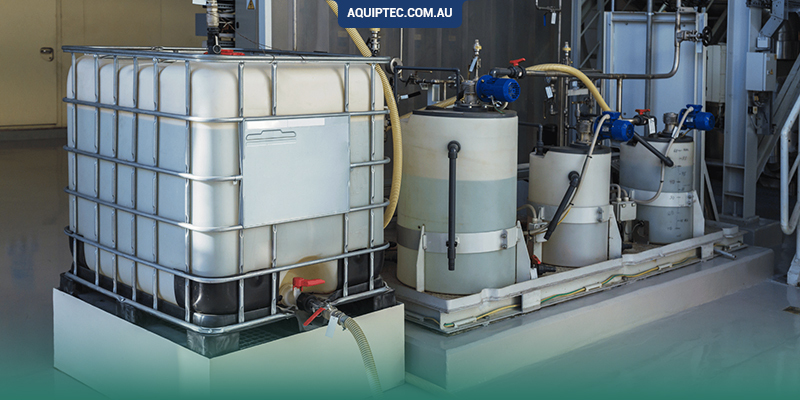
Every day, industries generate huge amounts of wastewater. This water usually contains chemicals, oils, heavy metals, suspended solids, and other pollutants that cannot be released into the environment without treatment. That’s where “chemical treatment of wastewater” comes in. If you’re wondering how chemical wastewater treatment works, what chemicals are used, and why so many industries rely on it, you’ve come to the right place.
What Is Chemical Treatment of Wastewater?
Chemical treatment is one of the most effective ways to remove contaminants from wastewater before it is discharged or reused. This technique is widely used in industries such as mining, oil and gas, food processing, manufacturing, pharmaceuticals, and chemical production. The used chemicals react with pollutants to separate, neutralise, or destroy them.
Unlike physical treatment, which removes large particles through screening or filtration, chemical treatment removes dissolved contaminants and fine particles that are much harder to remove. The process can remove:
- Suspended solids
- Heavy metals
- Oils and grease
- Harmful microorganisms
- Excess nutrients
- Toxic chemicals
- Unpleasant odors
- Unbalanced pH levels
Read More: Sewage Treatment
Why Is Chemical Treatment Important?
If polluted water enters rivers, lakes, or groundwater, it can damage ecosystems, harm wildlife, and even affect drinking water supplies. That’s why governments around the world have strict wastewater discharge regulations. Chemical treatment of wastewater helps industries:
- Meet environmental regulations
- Protect natural water resources
- Improve water quality
- Reduce pollution
- Make water suitable for reuse
- Protect equipment from corrosion and scaling
- Lower overall operating costs
How Chemical Treatment of Wastewater Works
Although every treatment system is different, the general process is almost similar.
1) Water Analysis
Before adding any chemicals, engineers test the wastewater. They measure factors such as pH, turbidity, Chemical Oxygen Demand (COD), total suspended solids (TSS), heavy metal concentration, and organic pollutants.
2) Chemical Dosing
After analysing the wastewater, proper chemicals are added in controlled amounts. These chemicals help separate contaminants from the water. Depending on the process, the contaminants may clump together, settle at the bottom, float to the surface, or be neutralised.
3) Separation
After the chemical reactions are complete, the unwanted materials are removed by sedimentation, flotation, filtration, or clarification. The remaining water is much cleaner and may move on to additional treatment stages if needed.
Read More: Chemical Dosing System
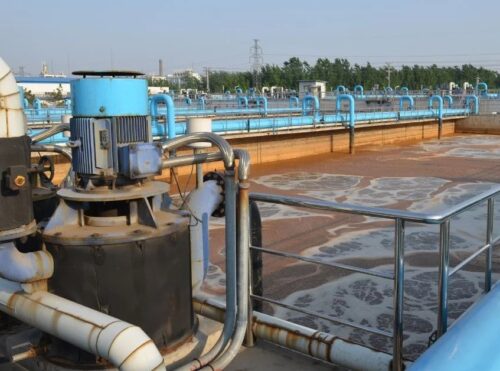
Common Chemicals Used in Wastewater Treatment
Different contaminants require different treatment chemicals. Here are some of the most common ones.
Coagulants
Coagulants neutralise the electrical charges that keep particles apart. Popular coagulants include:
- Aluminum sulfate (Alum)
- Ferric chloride
- Ferric sulfate
- Polyaluminium chloride (PAC)
Flocculants
After coagulation, flocculants help bind the particles into larger clumps called flocs. Because these flocs are heavier, they settle much faster, making separation easier. Polymer-based flocculants are commonly used in industrial wastewater treatment.
pH adjustment chemicals
Many industrial processes produce wastewater that is either too acidic or too alkaline. Most-used pH control chemicals include:
- Sodium hydroxide
- Lime
- Sulfuric acid
- Hydrochloric acid
Oxidising agents
Some pollutants cannot simply be filtered out. Oxidising chemicals break them down into less harmful substances. These chemicals are also used for disinfection. Common oxidisers include:
- Hydrogen peroxide
- Ozone
- Sodium hypochlorite
- Chlorine
Chemical Treatment Methods
Several chemical methods are used depending on the type of wastewater.
Coagulation and Flocculation
This is one of the most common wastewater treatment methods. Tiny suspended particles naturally repel each other, making them difficult to remove. Coagulants neutralise these electrical charges, allowing particles to stick together. Flocculants then build larger, heavier flocs that settle quickly.
pH Adjustment
Some wastewater streams have extremely high or low pH levels. If the pH is not corrected, treatment chemicals may not work properly. Adjusting the pH also helps:
- Prevent equipment corrosion
- Improve chemical reactions
- Meet discharge regulations
- Protect biological treatment systems
Chemical Precipitation
Chemical precipitation converts dissolved metals into solid particles that can be separated from the water. This method is commonly used to remove lead, copper, nickel, zinc, chromium, and cadmium. Mining operations, metal finishing plants, and electroplating facilities often use this process.
Oxidation and Disinfection
Some wastewater contains bacteria, viruses, odours, or toxic organic compounds. Oxidation breaks down these pollutants while disinfectants destroy harmful microorganisms.
Discover our Products: Chemical Dosing System and Automatic Polymer Preparation Unit
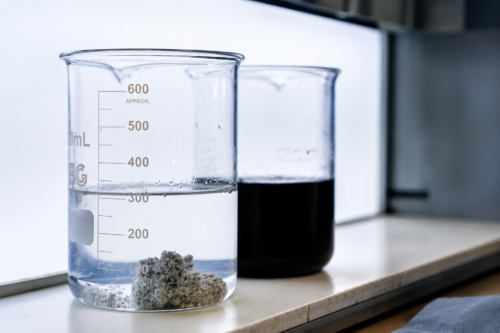
How Chemical Treatment Works for Industries?
Industrial wastewater is much more complex than domestic wastewater. Different industries produce different contaminants, which means treatment systems must be customised. Let’s see how chemical treatment works for industries:
Oil and Gas
Wastewater may contain oil, grease, sulphides, hydrocarbons, and suspended solids. Chemical treatment removes these contaminants before the water moves to additional treatment stages.
Mining
Mining wastewater contains heavy metals and acid. Chemical precipitation and pH adjustment are commonly used to remove metals and improve water quality.
Food and Beverage
Food processing plants generate wastewater with high organic content. Chemical treatment reduces suspended solids, fats, oils, and grease before biological treatment.
Manufacturing
Every manufacturing facility produces different types of wastewater. Custom chemical dosing programs are designed to match the wastewater composition.
Challenges of Chemical Treatment of Wastewater
Like any treatment method, chemical treatment of wastewater has both advantages and drawbacks. Let’s look at some of its challenges:
Chemical selection needs time and expertise.
Using the wrong chemical can reduce treatment efficiency or even create new problems. Every wastewater stream has its own characteristics. That’s why water testing is always the first step before selecting treatment chemicals.
Chemical Dosing should be accurate.
Adding too little chemical may not remove enough contaminants. Adding too much can increase operating costs and produce excess sludge. Modern chemical dosing systems help operators add the right amount of chemicals, which reduces waste and improves treatment.
Sludge management is sometimes hard.
Many chemical treatment processes generate sludge. This sludge contains the removed contaminants and must be handled, treated, and disposed of safely. Good sludge management is an important part of every wastewater treatment system.
Chemicals are expensive.
Chemicals are an ongoing operating expense. However, choosing the right chemicals and optimising the treatment process can reduce overall costs.
How to Choose the Right Wastewater Treatment Chemicals
There isn’t a single chemical that works for every industry. Choosing the right wastewater treatment chemicals depends on several factors.
Type of Industry
Different industries produce different pollutants. Each industry should choose the right chemical based on the wastewater they generate. For example:
- Mining wastewater requires heavy metal removal.
- Food processing wastewater usually contains fats, oils, grease, and organic matter.
- Oil and gas wastewater may contain hydrocarbons, sulphides, and emulsified oil.
Water Quality
Testing the wastewater in a lab shows which contaminants are present. This information helps determine which chemicals to use and how much is needed. The parameters evaluated in the lab are:
- pH
- COD
- BOD
- Total Suspended Solids (TSS)
- Heavy metals
- Oil and grease
- Conductivity
Environmental Requirements
Treatment systems should always meet local discharge regulations. In some cases, treated water may also need to be suitable for reuse within the facility.
Overall Treatment Process
In most cases, chemical treatment is part of a larger system that also includes physical and biological processes. When these methods are combined properly, they deliver much better results.
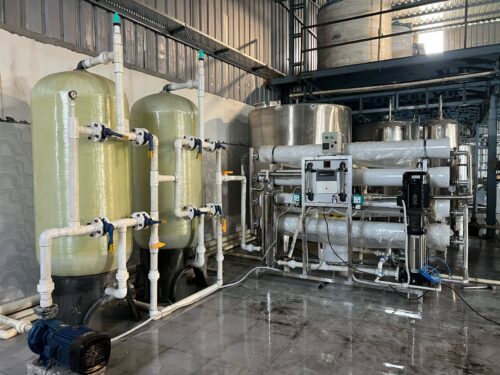
Why Australian Industries Choose AQUIPTEC
When it comes to chemical treatment of wastewater, experience makes a big difference. AQUIPTEC is an Australian company that offers advanced wastewater treatment solutions for a wide range of industries. Our experienced team understands that every wastewater stream is different, so they don’t believe in cookie-cutter systems.
Instead, AQUIPTEC designs treatment solutions based on each client’s specific process, water quality, and environmental requirements.
From mining and manufacturing to food processing and oil and gas, AQUIPTEC helps businesses improve water quality, reduce operating costs, and meet strict environmental standards.
Final Words
Clean water is becoming more valuable every year, and industries have an important role to play in protecting it. Chemical treatment of wastewater is still one of the most effective ways to remove pollutants, improve water quality, and comply with environmental regulations. From coagulation and flocculation to pH adjustment and chemical precipitation, each treatment method targets specific contaminants and helps produce cleaner, safer water.
If your facility needs a wastewater treatment partner you can count on, AQUIPTEC has the experience and technology to get the job done right
FAQs
Which chemicals are commonly used in wastewater treatment?
Some of the most common wastewater treatment chemicals include aluminium sulphate (alum), ferric chloride, polymers, sodium hydroxide, lime, sulfuric acid, hydrogen peroxide, ozone, and chlorine.
Which chemical is the best?
The best choice depends on the type of wastewater being treated. Every industry produces different contaminants, so there’s no one-size-fits-all solution. You’d consult a professional about that.
What industries use chemical wastewater treatment?
Many industries use chemical treatment of wastewater, including mining, oil and gas, manufacturing, food and beverage processing, pharmaceuticals, chemical production, power generation, and municipal water treatment facilities.
What are the advantages of chemical treatment of wastewater?
Chemical treatment removes a wide range of pollutants, works quickly, improves water quality, supports compliance with environmental regulations, and can help industries recycle and reuse treated water.
Can chemical treatment be combined with other wastewater treatment methods?
Yes. In most facilities, chemical treatment is used alongside physical and biological treatment processes.
No comment