
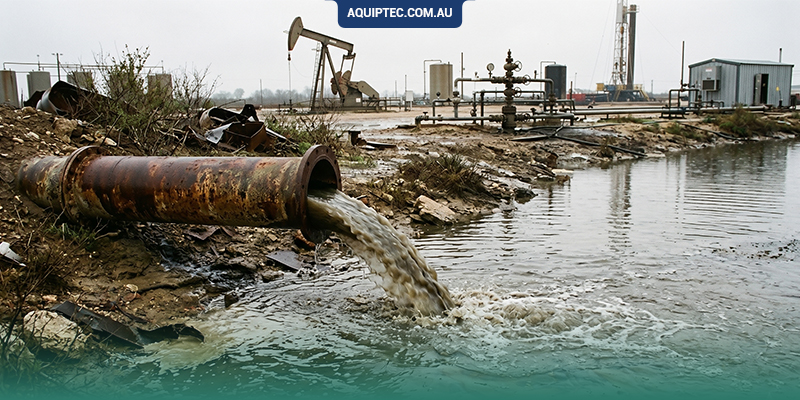
Water plays a huge role in industrial operations, especially in oil refineries, gas processing plants, and petrochemical facilities. However, not all wastewater is the same. One of the most challenging wastewater streams is known as sour water. Sour water contains harmful contaminants such as hydrogen sulphide (H₂S), ammonia (NH₃), and other sulfur compounds. If left untreated, these pollutants can damage equipment, create safety risks, and cause serious environmental problems. This is where Sour Water Treatment becomes important. Modern treatment systems help industries remove contaminants, meet environmental regulations, and even recover valuable resources from wastewater streams.
In this article, we’ll explain what sour water is, the challenges it creates, the technologies used to treat it, and the industries that depend on sour water management.
What Is Sour Water in Oil Refineries?
Sour water is wastewater that contains dissolved gases and chemical compounds, mainly hydrogen sulfide and ammonia. It is commonly generated during refining, gas processing, and petrochemical production. The term “sour” comes from the presence of hydrogen sulfide, which gives the water a rotten-egg smell. Trust me, it’s not something anyone wants hanging around a facility.
In oil refineries, sour water is produced during several processes, including:
- Crude oil distillation
- Hydrocracking
- Catalytic cracking
- Coking operations
- Desulfurization units
Because these processes remove sulfur and nitrogen compounds from crude oil, the contaminants end up in the wastewater stream. Without proper treatment, sour water can:
- Corrode equipment
- Release toxic gases
- Harm aquatic ecosystems
- Violate environmental regulations
This is why industrial sour water treatment has become a necessary step in refinery operations.
Sour Water Treatment Challenges
Treating sour water sounds straightforward on paper, but in reality, it’s a very tough job. Let’s look at some of its challenges:
High Concentrations of Contaminants
Sour water contains large amounts of hydrogen sulfide, ammonia, phenols, cyanides, and organic compounds. The concentration of these pollutants can vary from one process unit to another, making treatment more complex.
Corrosion Issues
Hydrogen sulfide is highly corrosive. It can damage pipes, tanks, pumps, and processing equipment. Facilities that fail to control corrosion usually face:
- High maintenance costs
- Unexpected shutdowns
- Reduced equipment lifespan
Safety Risks
Hydrogen sulfide is extremely toxic. Even a small amount of it can be dangerous for workers.
Stricter Regulations
Industrial facilities must reduce contaminant levels before releasing treated water into the environment, or they will be fined. Meeting international standards requires sour water processing systems and ongoing monitoring.
Variable Water Quality
One day, the wastewater composition may be relatively stable. The next day, the contaminant concentrations go up and down due to production changes. This makes system design and operation more challenging.
Best Technologies for Sour Water Treatment
Over the years, engineers have developed several methods to treat sour water even better. The best sour water treatment technology depends on factors such as:
- Contaminant levels
- Plant size
- Regulatory requirements
- Water reuse goals
- Operating costs
Let’s look at the most common technologies used today.
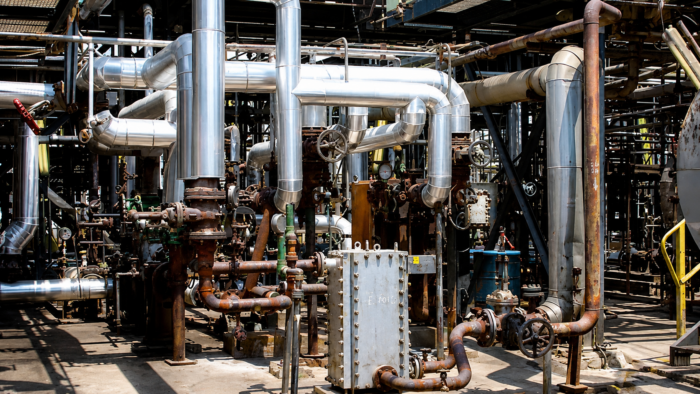
Sour Water Stripping
Sour water stripping is the most widely used treatment method in refineries and petrochemical plants. The process removes hydrogen sulfide and ammonia using steam.
Inside a stripping column:
- Sour water enters the tower.
- Steam flows upward through the column.
- Hydrogen sulphide and ammonia are separated from the water.
- Cleaned water exits the bottom of the unit.
- Removed gases are sent for further treatment or recovery.
Chemical Treatment
Chemical treatment can be used as a standalone process or as part of a larger treatment system. The chemicals help:
- Neutralize contaminants
- Adjust pH levels
- Improve pollutant removal
Read more: How does a chemical dosing system work?
Biological Treatment
After the main contaminants have been removed, biological treatment helps clean up the remaining organic pollutants. During this stage, microorganisms naturally break down the contaminants and help improve water quality. However, biological systems require careful monitoring because hydrogen sulfide can harm microbial populations.
Membrane Technologies
Membrane systems, such as reverse osmosis, ultrafiltration, and nanofiltration, are becoming popular in advanced wastewater treatment facilities. These systems produce high-quality treated water that can be reused in different industries. The downside? Membrane systems can be expensive and require regular maintenance.
Advanced Oxidation Processes (AOPs)
Advanced oxidation technologies use powerful oxidising agents to destroy contaminants. These systems are usually used when very strict discharge standards must be met.
6 Steps of Sour Water Treatment
Sour water treatment is done in 6 steps:
- Wastewater Collection
The treatment process begins with the collection of wastewater from different units, such as distillation units, condensate systems, tank drains, wash water streams, and other equipment that comes into contact with sulfur-bearing compounds.
- Oil Separation
Sour water contains free oil, grease, and light hydrocarbons that can interfere with later treatment processes if they are not removed early. Oil separation equipment, such as API separators, coalescers, or dissolved air flotation systems, is used in this step.
- Primary Treatment
The primary treatment stage is usually the most critical part of sour water treatment. In many systems, steam stripping is used to remove hydrogen sulphide and ammonia from the wastewater. This process works by heating the sour water and generating steam. As the steam rises through the stripping column, hydrogen sulfide and ammonia are transferred from the water into the gas stream.
- Secondary Treatment
After primary treatment, the water may still contain dissolved organic compounds, residual ammonia, and other biodegradable pollutants. Secondary treatment is used to reduce these remaining contaminants. In this stage, microorganisms break down organic matter and convert pollutants into less harmful substances.
- Tertiary Treatment
Advanced technologies improve water quality even more. Advanced technologies such as membrane filtration, activated carbon adsorption, advanced oxidation processes, or fine filtration may be used depending on the required water quality. - Discharge or reuse
After treatment is complete, the cleaned water can either be discharged safely in accordance with environmental regulations or reused within the plant. The final destination depends on the quality of the treated water, local discharge requirements, and the facility’s water management goals.
Methods for Removing Ammonia and H₂S from Wastewater
Hydrogen sulfide and ammonia are the main targets of sour water treatment systems. Several methods are commonly used to remove them.
- Steam Stripping: This is the most effective and widely used method for large industrial facilities.
- Air Stripping: Air can sometimes replace steam under specific conditions. However, steam stripping is generally better for refinery applications.
- Chemical Oxidation: Chemicals convert hydrogen sulfide into less harmful compounds.
- Biological Nitrification and Denitrification: These biological processes help remove ammonia from wastewater. They are usually used after primary stripping operations.
- Membrane Separation: Advanced membrane technologies can remove dissolved contaminants while producing reusable water.
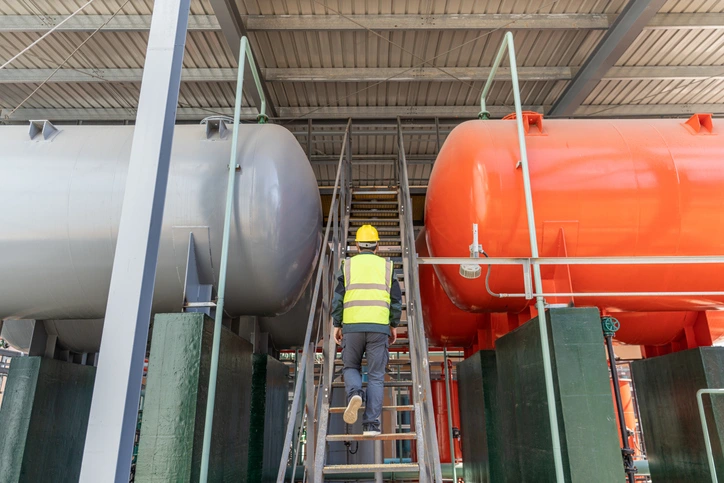
Industrial Applications of Sour Water Treatment
Sour water treatment is used across multiple industries, such as:
- Oil refineries: Refineries are the largest producers of sour water. So, they rely heavily on sour water treatment systems to treat oily water.
- Natural gas processing plants: Gas processing facilities remove sulfur compounds from natural gas streams. These operations generate sour water that requires treatment before disposal.
- Petrochemical facilities: Many petrochemical facilities produce wastewater containing sulfur and nitrogen compounds.
- Chemical manufacturing: Chemical production factories also generate contaminated wastewater streams that require specialised treatment.
- Energy and fuel production: Facilities producing transportation fuels should treat sour water to meet environmental requirements.
What Happens If You Leave Sour Water Untreated?
If sour water is released without proper treatment, it can have serious consequences for both the environment and human health, such as:
- Water pollution
- Soil contamination
- Fish and aquatic life damage
- Toxic gas emissions
- Groundwater contamination
Environmental regulations are strict for a reason. Even small amounts of untreated sour water can cause long-term damage to ecosystems and water resources. Good sour water management helps companies avoid environmental problems. It also helps them meet regulations and protect their reputation.
Why Choose AQUIPTEC for Sour Water Treatment?
Designing a sour water treatment system isn’t just about installing equipment and hoping for the best. Every facility has different wastewater characteristics, contaminant levels, operating conditions, and compliance requirements. That’s why choosing the right engineering partner matters.
AQUIPTEC is an Australian company that specialises in water and wastewater treatment, industrial process systems, gas cleaning, emissions control, and environmental solutions. The company provides customised treatment systems to help industrial facilities improve environmental performance, meet regulatory requirements, and optimise plant operations.
AQUIPTEC’s sour water treatment systems are designed to:
- Remove hydrogen sulfide (H₂S), ammonia (NH₃), and other contaminants
- Reduce corrosion and safety risks
- Support environmental compliance
- Enable water reuse opportunities
- Lower long-term operating costs
- Adapt to changing production requirements through scalable system designs
FAQs
What is sour water?
Sour water is industrial wastewater that contains contaminants such as hydrogen sulfide (H₂S), ammonia (NH₃), phenols, and other sulfur compounds. It is commonly generated in refineries, gas processing plants, and petrochemical facilities.
Why is sour water treatment important?
Because untreated sour water can cause equipment corrosion, release toxic gases, harm the environment, and lead to regulatory violations.
How does a sour water stripper work?
A sour water stripper uses steam to remove volatile contaminants such as hydrogen sulfide and ammonia from wastewater. The stripped gases are then sent for further treatment, while the cleaned water moves to additional treatment stages or reuse systems.
Can treated sour water be reused?
Yes. After proper treatment and polishing, sour water can often be reused in cooling towers, boiler feedwater systems, and other industrial applications.
Which industries use sour water treatment systems?
Sour water treatment is widely used in oil refineries, natural gas processing facilities, petrochemical plants, chemical manufacturing facilities, and energy and fuel production plants.
What happens if hydrogen sulfide is not removed from sour water?
Hydrogen sulfide is highly toxic, causes unpleasant odours, accelerates equipment corrosion, and can harm aquatic ecosystems if discharged into the environment.
How do companies choose the right sour water treatment technology?
The best treatment solution depends on several factors, including wastewater composition, flow rate, discharge requirements, water reuse goals, available space, and operating costs. Many facilities use a combination of steam stripping, biological treatment, chemical treatment, and membrane technologies to achieve the desired results. Working with experienced providers such as AQUIPTEC can help industries identify the best and most cost-effective treatment.
No comment