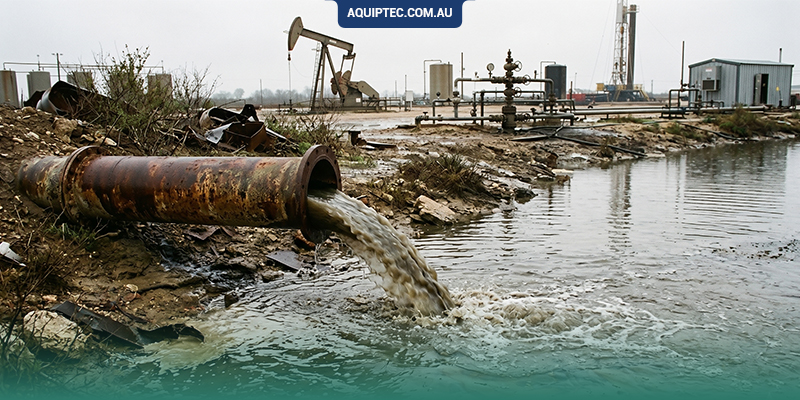
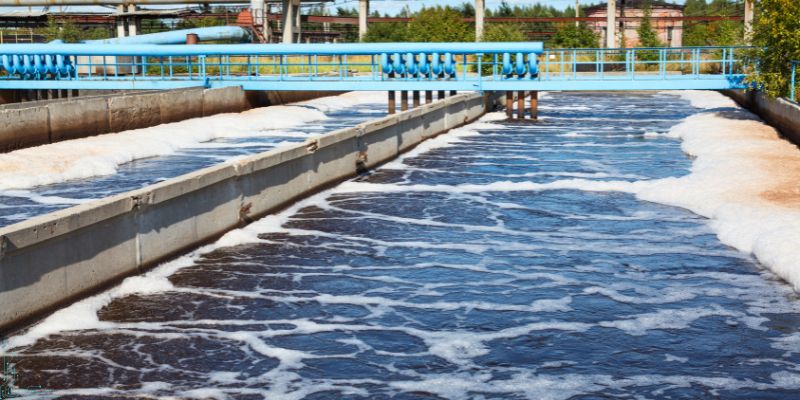
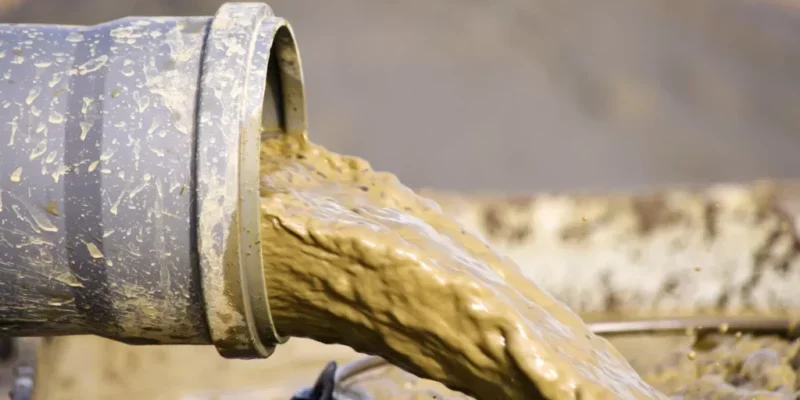
Every day, industries generate huge amounts of wastewater. This water usually contains chemicals, oils, heavy metals, suspended solids, and other ... Read More
Water plays a huge role in industrial operations, especially in oil refineries, gas processing plants, and petrochemical facilities. However, not ... Read More
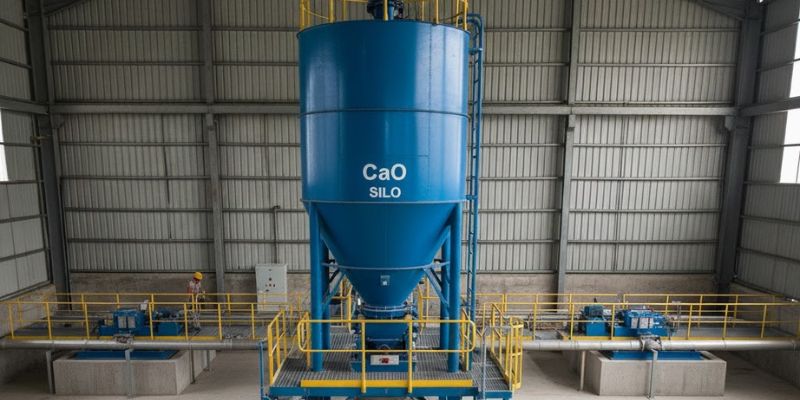
A lime dosing system must have good storage, the right pump and pipes, and advanced dosing sensors. The water treated with lime has a better odour and is safe for drinking, irrigation, and more. ... Read More
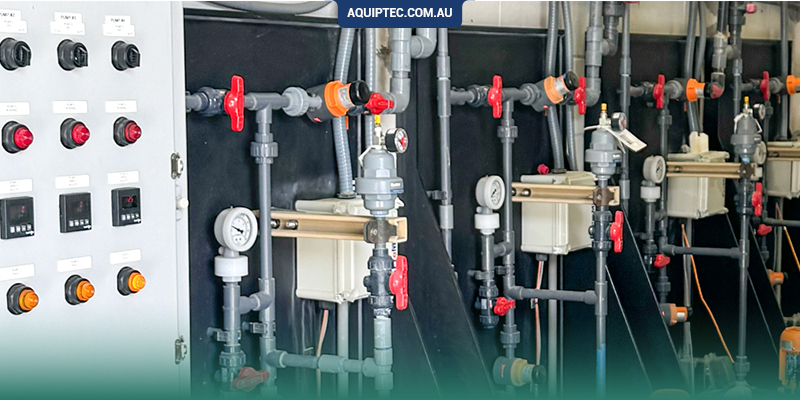
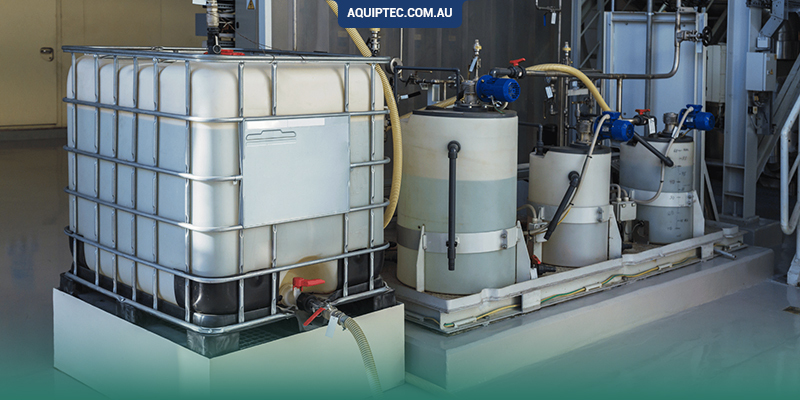
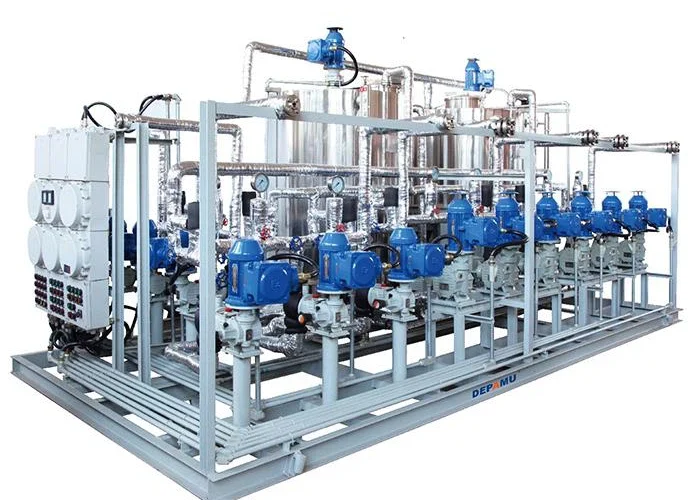
The chemical dosing system adjusts the water pH, disinfects the wastewater, prevents algae formation, and more. Depending on the size and purpose of chemical dosing, different types of pumps are used, such as piston, Peristaltic, and diaphragm ones. ... Read More
Chemical wastewater treatment has 7 steps, from equalizing the incoming water and adjusting its pH to disposing of its sludge. All these steps are necessary to make the wastewater clean and safe again, especially for reuse. ... Read More
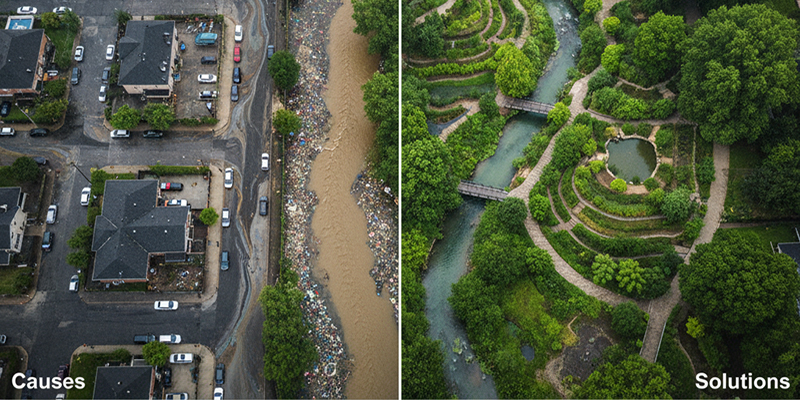
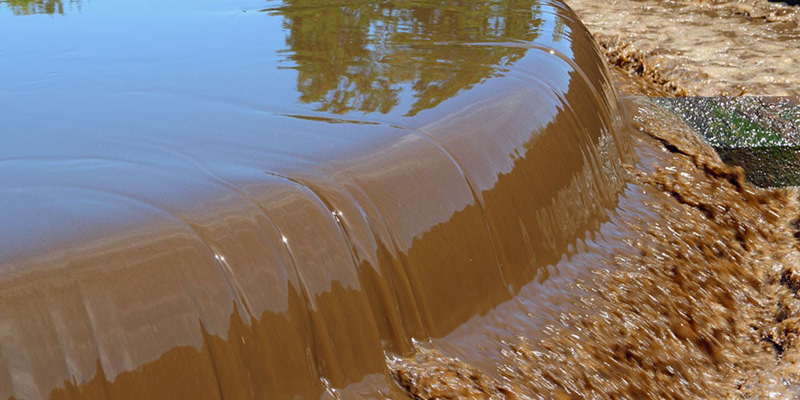
The main causes of runoff pollution are impervious surfaces, land‐use change, uncontrolled soil erosion, and low-absorptive soil. However, the stormwater runoff can be prevented by using less chemical fertilizers and pesticides, cleaning storm drains regularly, planting native plants, etc.
... Read More
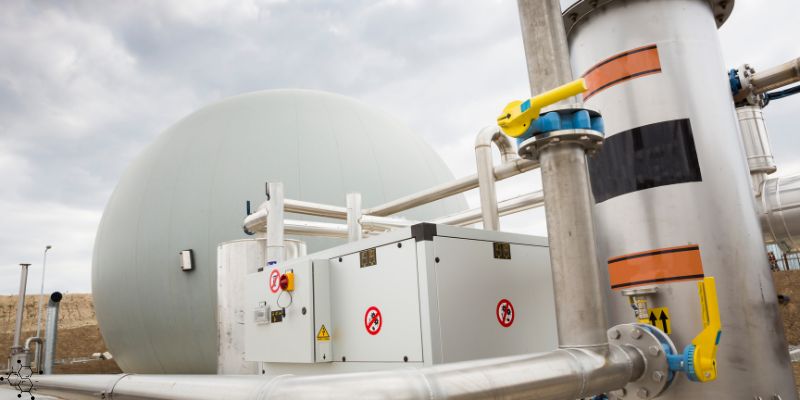
Reducing sludge in wastewater plants involves 5 techniques: 1) using anaerobic or hybrid systems, 2) settling the sludge by controlling filamentous bacteria, and 3 other methods. ... Read More